Best AI Influencer Marketing Tools- Data-Driven Platforms for Discovery, Outreach & Campaign ROI

Tool Breakdowns Based on How You’d Actually Use Them
Upfluence
Upfluence feels like a full operating system for influencer marketing rather than just a discovery tool. It is built for brands running ongoing campaigns, not one-off collaborations. The interface is dense but structured, with CRM-like workflows that track influencers across campaigns.
The learning curve is noticeable. Expect onboarding time before it becomes useful. But once set up, it centralizes discovery, outreach, and campaign management in one place.
Where it performs well is campaign control. You can manage influencer relationships, track performance, and handle outreach at scale. It is particularly strong for eCommerce brands that want to connect influencer activity with sales. (Upfluence)
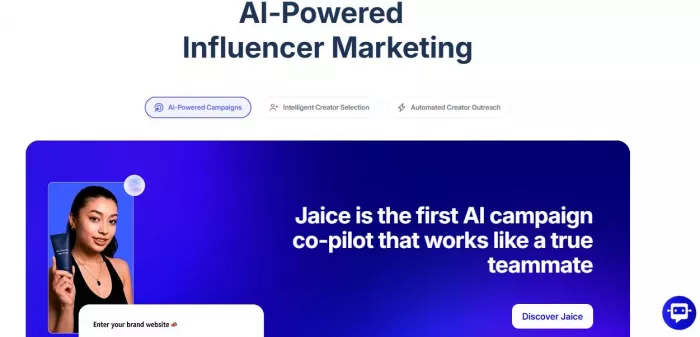
Where it struggles is pricing transparency and accessibility. Pricing is not publicly listed, and smaller brands often find it expensive. It is also more than what you need if you are just testing influencer marketing.
Pricing Snapshot
| Plan Type | Price Range | Notes |
| Custom | Not publicly listed | Enterprise-style pricing based on usage |
Ratings Overview
| Platform | Rating |
| G2 | ~4.6/5 |
| Capterra | ~4.5/5 |
| Trustpilot | Not listed |
Modash
Modash is one of the cleanest tools in this category. It focuses heavily on influencer discovery and audience data, with a fast and responsive interface that does not feel overloaded.
It is easy to use compared to most tools here. You can filter creators quickly, analyze audience demographics, and shortlist influencers without much setup. The learning curve is minimal.
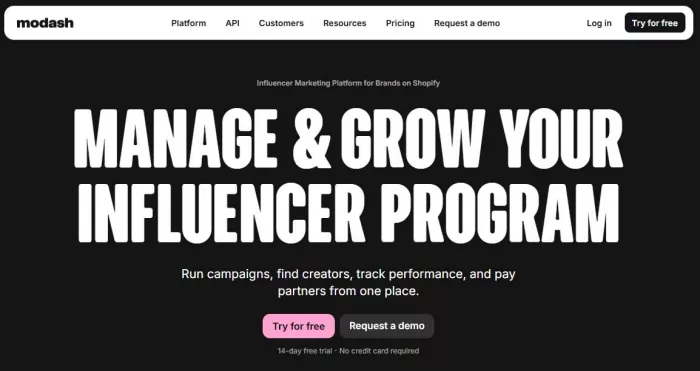
Where it performs well is data quality. Modash provides detailed audience insights such as location, engagement, and follower authenticity, which makes it strong for identifying micro and mid-tier influencers. (Modash)
Where it struggles is campaign management depth. It is more of a discovery-first tool than a full campaign system. Outreach and relationship management are not as robust as tools like Upfluence.
Pricing Snapshot
| Plan Type | Price Range | Notes |
| Core Plans | ~$199+/month | Pricing scales with usage and features |
Ratings Overview
| Platform | Rating |
| G2 | ~4.8/5 |
| Capterra | ~4.6/5 |
| Trustpilot | Not listed |
Heepsy
Heepsy is positioned as a budget-friendly entry point into influencer discovery. It is simpler, lighter, and more accessible than most tools in this space.
The interface is straightforward, and you can start finding influencers within minutes. The learning curve is almost non-existent, which makes it attractive for beginners.
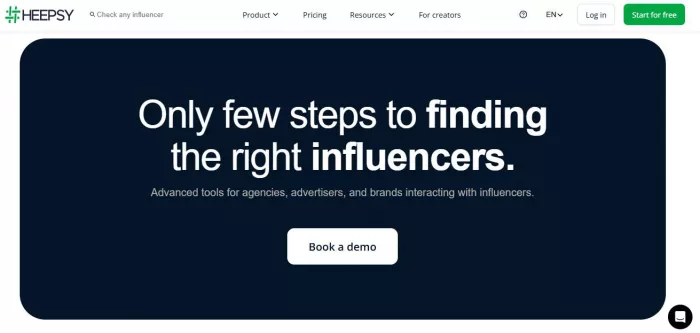
Where it performs well is affordability and basic filtering. You can search influencers by niche, location, and engagement rate without paying enterprise-level pricing. (Heepsy)
Where it struggles is data depth and accuracy. Audience insights are more limited, and advanced filtering is not as reliable as higher-end tools. You may still need manual validation.
Pricing Snapshot
| Plan Type | Price Range | Notes |
| Starter | ~$49/month | Basic search limits |
| Advanced | ~$169/month | Expanded filters |
| Pro | ~$269/month | Higher usage limits |
Ratings Overview
| Platform | Rating |
| G2 | ~4.3/5 |
| Capterra | ~4.6/5 |
| Trustpilot | ~4.0/5 |
Influencity
Influencity sits between affordability and depth. It offers a balanced mix of discovery, campaign management, and analytics without going fully enterprise.
The interface is moderately complex but manageable. It does not feel as heavy as Upfluence, but it still requires some setup to use effectively. (Influencity)
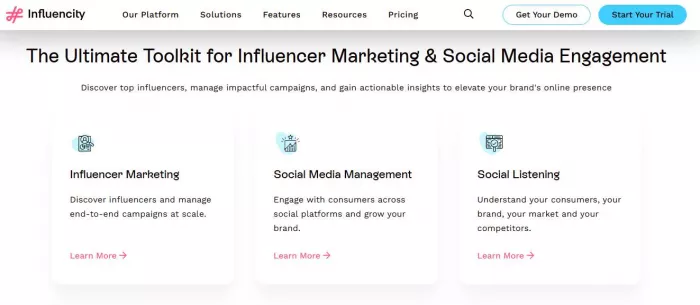
Where it performs well is campaign tracking and analytics. It gives better visibility into influencer performance compared to lighter tools like Heepsy.
Where it struggles is pricing scalability and occasional data inconsistencies. As usage increases, costs can rise, and some audience metrics may require manual validation.
Pricing Snapshot
| Plan Type | Price Range | Notes |
| Basic | ~$98/month | Limited features |
| Professional | ~$298/month | Full access |
| Business | ~$698/month | Advanced usage |
Ratings Overview
| Platform | Rating |
| G2 | ~4.6/5 |
| Capterra | ~4.6/5 |
| Trustpilot | Not listed |
CreatorIQ
CreatorIQ is built for large brands and agencies managing complex influencer ecosystems. It is closer to enterprise software than a typical SaaS tool.
The interface is structured but heavy. It requires onboarding and is not designed for quick, lightweight usage. Speed depends on how well the system is configured.
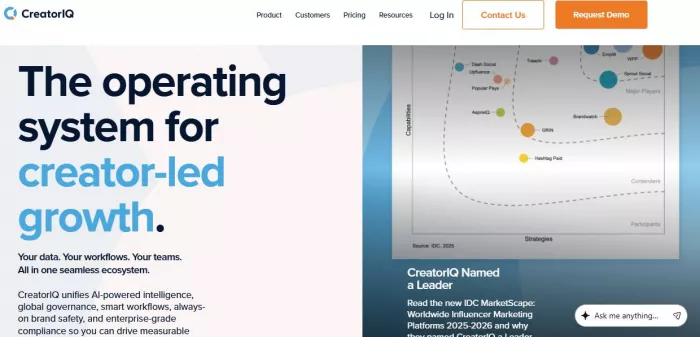
Where it performs well is scale. It handles large datasets, multiple campaigns, and complex reporting requirements. It is often used by global brands. (CreatorIQ)
Where it struggles is accessibility and cost. Pricing is not publicly listed, and the tool is overkill for small or mid-sized teams.
Pricing Snapshot
| Plan Type | Price Range | Notes |
| Enterprise | Not publicly listed | Custom pricing |
Ratings Overview
| Platform | Rating |
| G2 | ~4.6/5 |
| Capterra | ~4.4/5 |
| Trustpilot | Not listed |
Quick Comparison For Fast Decision Makers
| Tool | Starting Price | Best Use Case | Ease of Use | Data Accuracy |
| Upfluence | Custom | Full campaign management | Medium | High |
| Modash | $199 | Influencer discovery | High | High |
| Heepsy | $49 | Budget discovery | Very High | Medium |
| Influencity | $98 | Campaign tracking | Medium | Medium-High |
| CreatorIQ | Custom | Enterprise campaigns | Low | High |
Final Call: What Actually Changes Outcomes
At some point, influencer marketing stops being about finding creators and starts being about controlling outcomes. That shift is where most teams either scale properly or burn budget without realizing it.
If you are still testing, the goal is speed and learning, not perfection. Tools like Heepsy or Modash help you move fast, validate what works, and avoid overcommitting early. The mistake at this stage is overpaying for systems you are not ready to use.
Once campaigns start working, the bottleneck changes. Discovery is no longer the problem. Coordination, tracking, and consistency become the real challenges. This is where Influencity or Upfluence start to make sense because they reduce operational chaos and give you clearer performance visibility.
At the highest level, the question is not which tool is better. It is whether your workflow is structured enough to benefit from it. CreatorIQ, for example, only makes sense when influencer marketing is already a serious growth channel, not an experiment.
The pattern is simple. Start lean, scale structure, then optimize control. If the tool matches that stage, it will feel useful. If it does not, it will feel like unnecessary overhead.


Comments