Elden Ring Nightreign Explained: Co-op Roguelike, Boss Rush, and How It Changes the Souls Formula


Elden Ring Nightreign is not just another spin-off, it’s a bold reinvention of the Soulsborne formula, designed for players who crave fast-paced, cooperative survival in a world where darkness is always closing in. Unlike the solitary, methodical exploration of the original Elden Ring, Nightreign throws players into a relentless, three-day cycle where teamwork, speed, and adaptability are the only things standing between survival and annihilation. This isn’t just a game: it’s a shared struggle against the encroaching night, and every run feels like a new chapter in an ever-evolving saga.

The Thrill of the Three-Day Cycle
Nightreign’s core structure revolves around a 45-minute session split into three in-game days, each lasting about 15 minutes. The clock is always ticking, and with each passing hour, the world grows more dangerous. During daylight, players are free to explore, gather resources, level up, and prepare for the inevitable nightfall. The map is procedurally generated, ensuring that no two runs are ever the same. As the sun sets, the playable area shrinks, forcing players toward the center and into increasingly intense combat encounters. The final night is reserved for the climactic boss battle, where all the preparation and teamwork are put to the ultimate test.
This time-based structure creates a sense of urgency that’s absent from traditional Soulsborne games. There’s no leisurely exploration or backtracking, every decision matters, and every second counts. The shrinking map mechanic, reminiscent of battle royale games, adds a layer of tension that keeps players on their toes. It’s not just about surviving the night; it’s about thriving under pressure and making the most of every moment.
Cooperative Survival: Strength in Unity
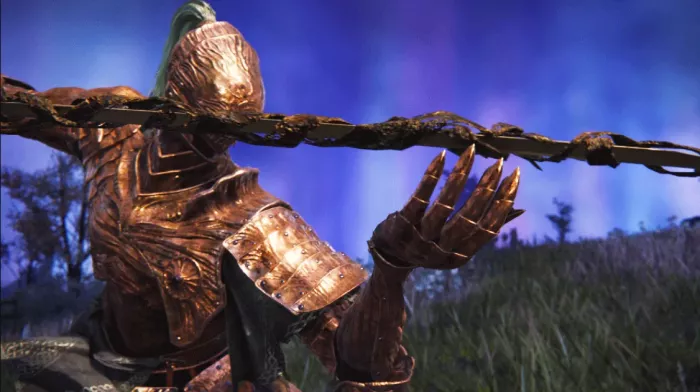
Up to three players can team up, each choosing from a roster of unique characters with distinct abilities and playstyles. Whether you’re a Scholar who excels at battlefield observation or an Undertaker who wields strength and faith to send enemies to the afterlife, every character brings something valuable to the table. The synergy between players is crucial, as combining abilities and strategies can turn the tide of battle in your favor.
Teamwork isn’t just encouraged, it’s essential. Players can mark locations on the map for their teammates, coordinate attacks, and revive fallen comrades by attacking them with skills and weapons.
Long-range healing is possible through magic and bows, allowing for strategic support from a distance. The game’s mechanics reward communication and coordination, making every run a shared adventure rather than a solo grind.
Fast-Paced Combat and Enhanced Mobility
It takes the already intense combat of the Soulsborne series and cranks it up to eleven. Characters sprint faster, can wall-run, and even perform Spiritstream jumps to reach high cliffs. There’s no fall damage, and mobility is enhanced, allowing for quick escapes and aggressive maneuvers. The combat is turbo-charged, with enemies attacking in waves and environmental hazards adding to the chaos.
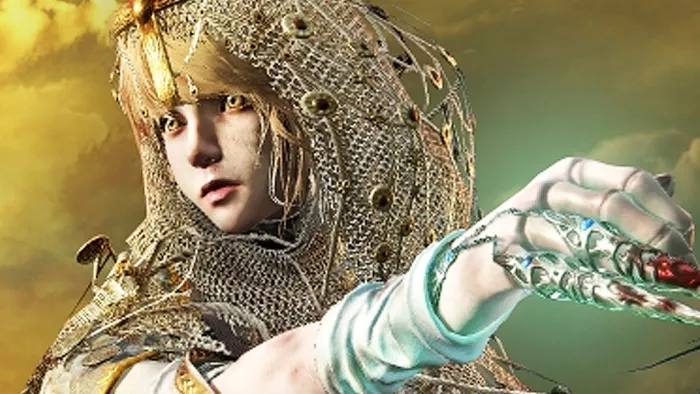
The game introduces a simplified leveling system where players start each run at level 1 and gain levels by defeating enemies and bosses. If a player dies, they lose a level and drop their runes, which can be recovered if retrieved before another death.
This risk-reward mechanic adds a layer of tension, as every death has consequences but also opportunities for redemption.
The Ever-Changing World of Limveld
The game’s setting, Limveld, is a procedurally generated version of Limgrave, the first open-world area of Elden Ring. Each run presents a new configuration of ruins, temples, and sacred towers, ensuring that exploration remains fresh and unpredictable. The environment is filled with exotic crystals that exude a cursed, life-draining miasma, adding another layer of danger to the already perilous landscape.
As players progress through the three-day cycle, they’ll encounter new bosses and challenges that test their skills and teamwork. The Forsaken Hollows DLC, set to release on December 4, introduces two new playable characters and two formidable bosses, expanding the game’s roster and raising the stakes even higher.
The Spirit of the Nightreign Community
This game has quickly become a hub for cooperative gaming, with players forming bonds over shared victories and defeats. The game’s mechanics encourage teamwork and communication, fostering a sense of camaraderie that’s rare in the Soulsborne genre. Whether you’re a seasoned veteran or a newcomer to the series, Nightreign offers a unique experience that’s both challenging and rewarding.
The community has embraced the game’s fast-paced, cooperative nature, with players sharing tips, strategies, and stories of their most memorable runs. The game’s structure and mechanics create a dynamic environment where every decision matters, and every victory is hard-earned.
Looking Ahead: The Forsaken Hollows DLC
The upcoming Forsaken Hollows DLC promises to expand Nightreign’s world with new characters, bosses, and challenges. The Scholar and the Undertaker bring fresh abilities and playstyles to the roster, while the new bosses will test players’ skills in new and unexpected ways. The DLC also includes a digital artbook and mini soundtrack for those who purchase it before its release, adding even more value to the experience.
Nightreign is more than just a game, it’s a shared adventure, a test of teamwork, and a celebration of the Soulsborne spirit. Whether you’re battling the Nightlord with friends or exploring the ever-changing world of Limveld, every run is a new story waiting to be told.


Comments