Flight tech for the future sky: how aviation innovation and sustainability redefine air travel



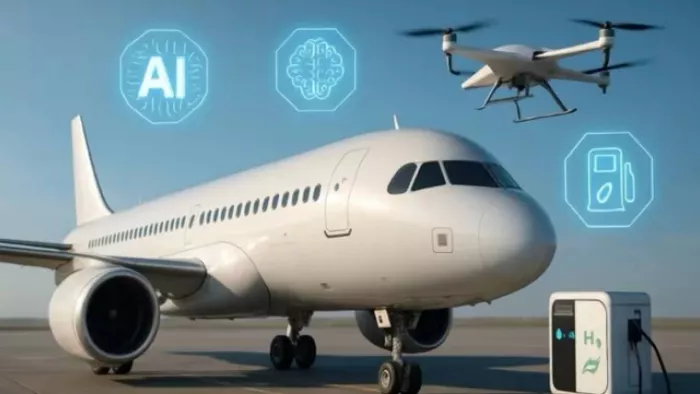
Aviation is changing—again. What once began with noisy engines and thick fuel smoke now heads toward quiet propellers, digital dashboards, and invisible carbon footprints. The phrase aviation innovation no longer describes just faster jets or sleek designs. It stretches far wider: new propulsion systems, smarter navigation, AI-driven maintenance, and data-led efficiency. The industry has turned its gaze skyward not only for speed but for sustainability.
According to the International Air Transport Association, aviation contributes about 2.5% of global CO₂ emissions. Not small, but not unfixable. And so, engineers, pilots, and consultants—especially those in aviation consulting—join forces to redesign what air travel means in the 21st century. Electric aircraft prototypes now cross test runways; hydrogen-fueled models whisper promises of cleaner skies. It’s not science fiction—it’s happening.
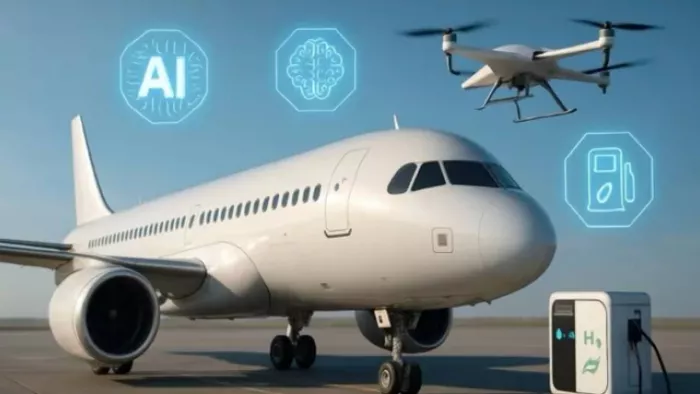
Sustainable Air Travel: From Concept to Cockpit
The words sustainable air travel used to sound like a paradox. How can a machine burning thousands of gallons of jet fuel per trip be “green”? The answer begins with technology—and ends with intention. Airlines today are experimenting with sustainable aviation fuels (SAF), which can reduce lifecycle emissions by up to 80%. Blended biofuels, recycled waste oils, and even algae-derived energy are entering the aviation conversation.
Electric flight is the next chapter. Companies like Eviation, Rolls-Royce, and Airbus test electric and hybrid engines capable of short-haul flights. The first generation of green flying airlines may not yet cross oceans, but they will soon handle the regional networks connecting smaller cities. Every small takeoff counts.
Meanwhile, digital monitoring tools ensure every liter of fuel is tracked, every carbon footprint recorded. Artificial intelligence predicts the most efficient routes, cutting idle time and fuel burn. These innovations are not just environmentally sound—they are financially smart. Saving fuel saves billions.
Airline Technology: Where Hardware Meets Software
Inside the cockpit, airline technology is entering a golden age. Glass cockpits, predictive maintenance sensors, automated communication systems—all of it merges into one intelligent network. A Boeing Dreamliner, for example, contains hundreds of thousands of sensors sending live data during flight. Engineers on the ground receive updates about tire pressure, temperature shifts, or possible maintenance needs. The result: fewer delays, more safety, smoother travel.
Digital twins—virtual models of entire aircraft—help simulate future scenarios. Before a plane even touches the runway, it has “flown” hundreds of digital missions in the lab. The technology not only improves performance but also cuts material waste during production.
And yet, passengers see only the calm side: a clean cabin, a glowing screen, a soft landing. Beneath that silence hums an entire world of computation.
Digital Aviation Media and the Rise of Sky Communication
There’s another transformation—less mechanical, more cultural. Digital aviation media shapes how the public learns about and interacts with flight. Online magazines, flight simulation platforms, and flight reviews podcasts bring aviation closer to audiences who once saw it as distant or elite.
Now, travelers compare experiences, pilots share cockpit stories, and experts discuss eco-fuels and flight automation through digital microphones. Podcasts like The Flight Deck and AvTalk gather thousands of listeners curious about how sustainable flying really works.
This shift in communication matters. Transparency builds trust. The more the industry speaks openly about its challenges and progress, the faster the public supports green aviation policies.
Aviation Consulting: The Invisible Force Behind the Wings
Behind every technological milestone stands a team of experts in aviation consulting. They are the translators between engineers and investors, policy-makers and manufacturers. They analyze emission data, guide safety reforms, and recommend digital upgrades. Their work may not make headlines, but it defines the pace of progress.
In fact, many consultancies now use predictive analytics and machine learning to model sustainability outcomes. They forecast how a single airline’s carbon strategy can ripple through an entire region. Numbers, not slogans, make the case for transformation.
When a Math Solver App Enters the Sky
Surprising? Maybe not. Mathematics is everywhere in aviation. From fuel calculations to aerodynamic models, from navigation algorithms to emissions tracking—it’s all math. Recently, some training academies have started using mathsolver apps to help pilots-in-training and engineers refresh essential quantitative skills. These apps break down equations step by step, making complex formulas more approachable.
When students use such tools, they grasp the balance between theory and flight operation faster. While the app itself isn’t directly a flight instrument, its logic mirrors the industry’s dependence on precision. Every calculation, whether manual or digital, carries passengers safely from one horizon to another.
Green Flying Airlines and Tomorrow’s Sky
The phrase green flying airlines is no longer a dream or a PR slogan—it’s a mission. Scandinavian Airlines, KLM, and others have pledged net-zero emissions by 2050. Even low-cost carriers invest in offset programs and SAF integration.
But sustainability extends beyond the fuel tank. Lightweight materials reduce aircraft mass by up to 15%, cutting fuel needs. Smart boarding procedures minimize taxiing time. Digital tickets replace paper. In-flight recycling becomes the norm. The system redefines itself, piece by piece.
Statistically, electric propulsion could reduce regional flight costs by 30%, while maintenance savings from digitalization may reach $5 billion globally per year. Efficiency becomes the new luxury.
The Future Is a Flight Plan
So where does this story go next? Aviation innovation is not just about flying higher—it’s about flying cleaner, smarter, and fairer. The path to sustainable air travel requires collaboration among scientists, digital creators, and travelers themselves.
As new airline technology converges with digital aviation media and data-driven consulting, the industry edges closer to harmony between progress and planet. Future aircraft may glide silently across the sky, powered by invisible energy, guided by invisible math, supported by invisible minds.
The future of flight, then, is less about destination and more about direction. And that direction—toward sustainability, intelligence, and human ingenuity—is already airborne.


Comments