How Startups Can Launch Online Without a Full Website




There was a time when launching online meant one thing: build a full website, hire a developer, wait weeks, then hope it works.
That playbook is quietly breaking.
Today, many startups are going live faster and cheaper by not starting with a traditional website at all. Instead of investing early in complex builds, they are using focused landing pages, creator hubs, and lightweight tools to validate demand first.
The shift is practical. Early-stage teams do not need a digital mansion. They need a front door that works.
This guide breaks down how startups are doing exactly that, what actually works in practice, and which tools help you move quickly without cutting important corners.
Why Many Startups Skip the Full Website at First
Building a full website too early often creates drag. It feels productive, but in many cases it delays real market feedback.
A typical early website project can involve design revisions, CMS setup, performance fixes, and endless polish cycles. Meanwhile, the core question remains unanswered: does anyone actually want this product?
Startups that move faster usually focus on three priorities first:
● Validate demand
● Capture leads
● Explain the offer clearly
Everything else can wait.
The modern launch stack reflects this reality. Lightweight tools now allow founders to create a credible online presence in hours instead of weeks, which is why the “no full website” approach is gaining traction.
What You Actually Need to Launch Online
Before looking at tools, it helps to clarify what a minimum viable online presence should accomplish.
At the launch stage, the goal is not to impress designers. The goal is to remove friction between curiosity and action.
A startup can often launch effectively with just:
● A clear value proposition
● One focused landing page
● A lead capture or signup flow
● Basic credibility signals (logo, social proof, contact)
If those pieces work, traffic can convert. If they do not, a bigger website will not magically fix the problem.
Practical Ways Startups Launch Without a Full Website
Below are the most common approaches being used today. Many successful early-stage teams combine two or more of these.
Single High-Conversion Landing Page
This is the most popular path.
Instead of building multiple pages, startups create one extremely focused landing page that explains the product, shows proof, and drives one action.
This works particularly well for:
● Waitlists
● Early access products
● SaaS beta launches
● DTC product validation
The advantage is speed and clarity. The risk is that the page must be very well structured, because there is nowhere to hide weak messaging.
Link-in-Bio Style Hubs
Creator-style link hubs have quietly become startup tools as well. They allow founders to centralize key links without maintaining a full site.
These hubs typically include:
● Product link
● Signup form
● Demo link
● Social channels
● Media mentions
For very early projects, this can be enough to establish presence and capture interest.
Some teams experiment with platforms such as Zivolio and similar link-hub builders to create a lightweight public profile before investing in a full web build. The key is not the specific tool but the ability to present a clean, credible entry point.
Notion or Document-Based Launch Pages
Technical founders and indie builders often use structured documents as temporary websites.
A well-formatted public document can communicate:
● Product overview
● Roadmap
● Pricing preview
● Contact information
This approach works best when the audience is technical or early-adopter heavy. For mainstream consumers, it can feel too raw.
Waitlist-First Launch Strategy
Many modern startups launch the audience before the product.
Instead of shipping a full platform, they start with:
● A promise
● A preview
● A signup form
This approach reduces risk dramatically. If the waitlist grows, momentum is real. If it does not, the team learns early.
However, credibility becomes critical here. Thin pages without trust signals tend to underperform.
Tools That Help You Launch Fast (Without a Full Site)
Below are commonly used tools that support fast online launches. These are not the only options, but they represent the typical modern stack.
Carrd
Website: https://carrd.co
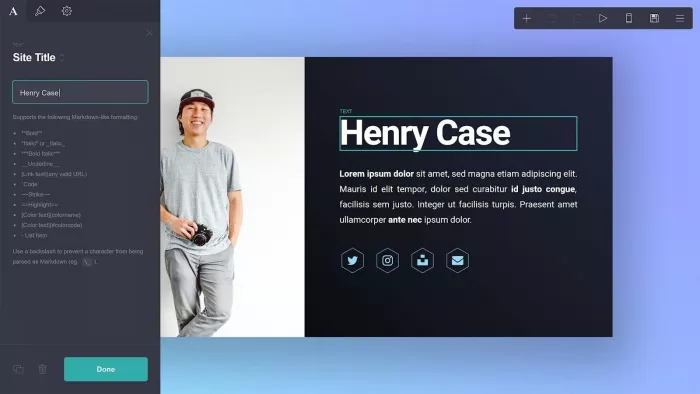
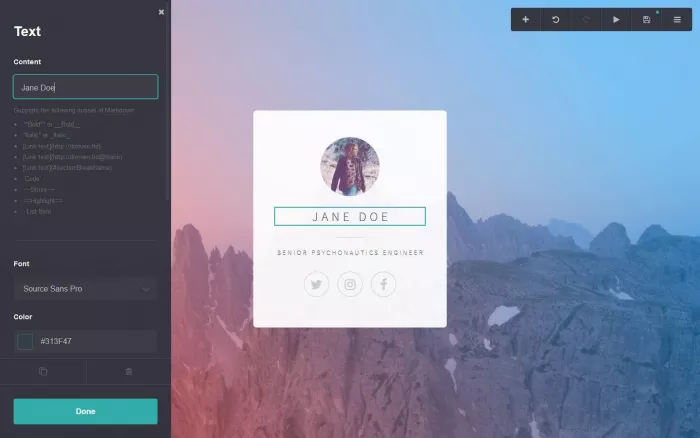
Carrd is widely used for simple one-page sites. It is especially popular among indie founders and early SaaS projects because it removes most of the usual website complexity.
The platform focuses on speed and simplicity. A functional landing page can often be published in under an hour, which makes it attractive during validation stages.
Pros
● Extremely fast to launch
● Low cost entry point
● Clean one-page focus
● Good for waitlists and MVPs
Cons
● Limited scalability
● Not ideal for complex sites
● Advanced customization can be restrictive
Linktree
Website: https://linktr.ee
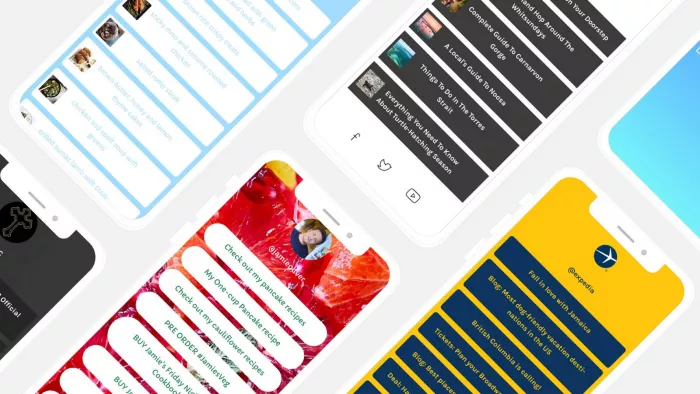
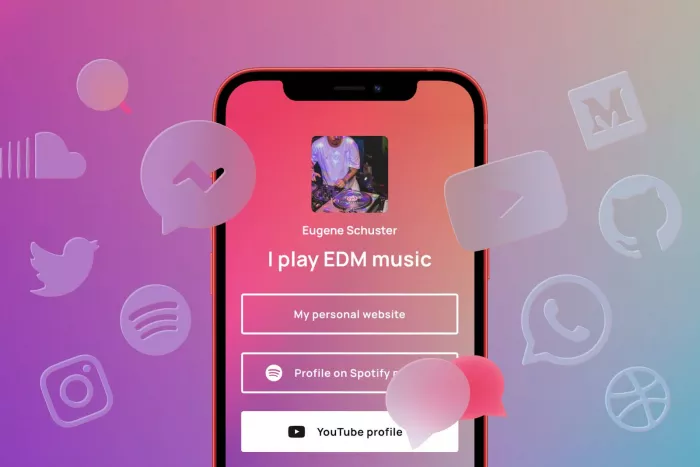
Linktree popularized the link-in-bio model and remains widely used for lightweight presence pages. While originally built for creators, many early-stage startups use it as a temporary traffic router.
It works best when the goal is centralization rather than deep storytelling.
Pros
● Very quick setup
● Familiar user experience
● Good for traffic routing
● Strong mobile usability
Cons
● Limited branding depth
● Not built for full product narratives
● Can feel generic if not customized
Notion
Website: https://www.notion.so
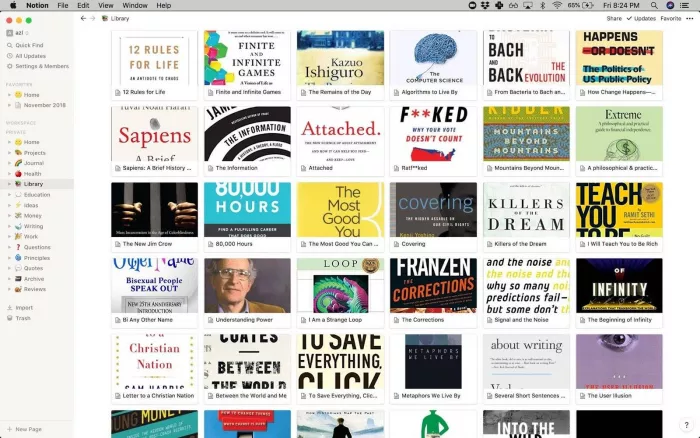
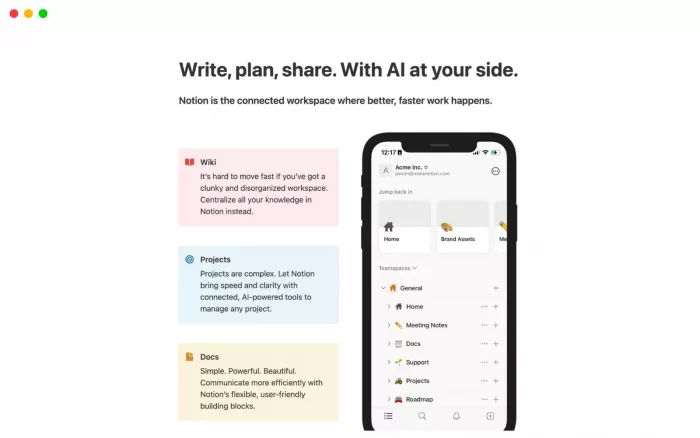
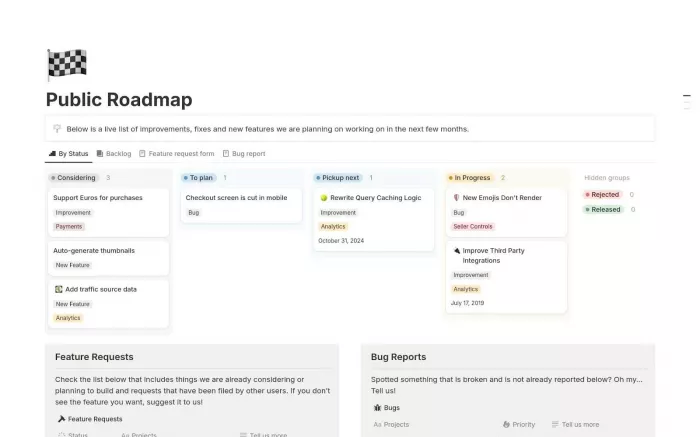
Notion has become a surprisingly common launch surface. Founders use public pages to share product docs, early roadmaps, and beta access information.
It is particularly effective in technical communities where audiences care more about substance than polish.
Pros
● Extremely fast to publish
● Flexible content structure
● Great for documentation-style launches
● Easy to update
Cons
● Not visually optimized for marketing
● Can feel informal
● Limited conversion features
When a Full Website Actually Becomes Necessary
Skipping a full website is a phase strategy, not a permanent one.
At some point, most startups outgrow lightweight setups. The shift usually happens when:
● Paid acquisition begins
● SEO becomes important
● Multiple product pages are needed
● Brand positioning matures
● Enterprise credibility is required
The mistake is not delaying the website. The mistake is delaying validation.
The Smart Launch Mindset
The most effective early teams treat their online presence as iterative infrastructure, not a one-time build.
Launch small. Learn fast. Expand when the signal is real.
A focused landing page that converts is far more valuable than a beautiful website that nobody visits. The startups moving fastest today understand this trade-off clearly.
The goal is not to look big on day one. The goal is to remove friction between interest and action, gather real user signals, and earn the right to build something larger.
That is how modern launches are quietly getting faster and smarter.


Comments