Kemono Party: What It Is, How It Works, and Why It’s So Controversial

If you’ve ever searched for free ways to see Patreon or Fanbox content, you’ve probably stumbled across Kemono Party at some point. Many users see it as a “hidden archive” of paywalled art, comics, and NSFW content, while creators view it as outright piracy that hurts their income.
This guide walks you through what Kemono Party is, how it works behind the scenes, why it’s legally and ethically risky, and what safer, creator-friendly alternatives you can explore instead.
What Is Kemono Party?
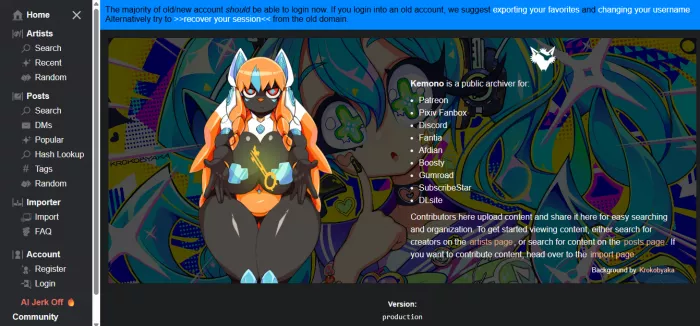
Kemono Party (often accessed via domains like kemono.cr, kemono.su, or kemono.party) is a public archiver that mirrors paid content from creator platforms such as Patreon, Pixiv Fanbox, Fantia, SubscribeStar, and others. In simple terms, it lets anyone browse posts that were originally locked behind subscriptions, often without the creator’s permission.
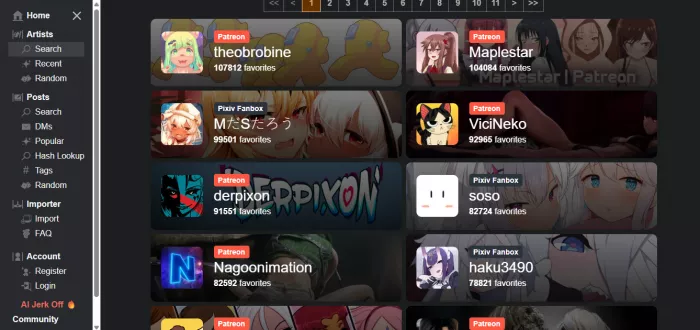
The name “Kemono” comes from a Japanese word often associated with beastmen and furry culture, which matches its heavy focus on anime, furry, and NSFW communities. Over time, it has grown into a massive archive with millions of posts and a global audience.
How Kemono Party Works
Kemono Party doesn’t function like a typical social platform where creators upload directly; instead, it depends on third parties who already pay for content on other sites.
- Paying users (or bots) import content from Patreon, Fanbox, Fantia, and other paywalled platforms into Kemono’s database.
- Once imported, posts become freely accessible to anyone via creator pages, tags, or platform filters, with no signup or paywall.
- The site acts as an indexer/archiver, organizing content by creator, source platform, and tags while relying on ad revenue and traffic rather than subscriptions.
This model has turned Kemono Party into a central hub for “leaked” premium content and a recurring topic on forums, Discord servers, and Reddit discussions related to piracy and paywall circumvention.
Key Features of Kemono Party
1. Massive Multi‑Platform Archive
Kemono Party aggregates content from multiple paid platforms, including Patreon, Pixiv Fanbox, Fantia, Boosty, SubscribeStar, and more. Users can find digital art, comics, animations, early-access builds, music, and even Discord/club leaks in one place.
Some analyses estimate the archive at well over 12 million posts, with traffic in the hundreds of millions of visits per month, highlighting just how widespread access has become.
2. Free Access to Premium Content
The core appeal is simple: content that normally requires recurring payments is available for free. For users who follow several creators, this feels like an easy workaround to subscription fatigue and paywall stacking.
However, that same “free access” is why the site is viewed as one of the more aggressive piracy platforms in the creator economy.
3. Anonymous, No‑Account Browsing
Kemono Party does not require account creation to browse most content, which fuels its “underground” appeal. Anyone with the URL can access vast libraries of art and NSFW material with a simple search by creator name or tag.
This anonymity also makes moderation limited and inconsistent, contributing to concerns around non-consensual sharing and reposting of sensitive or adult material.
Pros and Cons of Using Kemono Party
| Aspect | Pros for Users | Cons for Creators / Ecosystem |
|---|---|---|
| Access | Free access to premium posts without recurring subscriptions. | Deprives creators of subscription revenue and undermines their business model. |
| Variety | Huge catalog across anime, furry, NSFW, comics, music, and more. | Encourages mass redistribution of work across many niches without consent. |
| Convenience | Single site to explore creators from multiple platforms, searchable by name or tags. | Makes leaks scalable; one upload can permanently affect a creator’s entire catalog. |
| Cost | No subscription costs, no logins, globally accessible. | Pushes some creators to lock down content harder, quit, or move to smaller platforms. |
| Ethics / Legal | Users “save money” and preview content before deciding whether to support. | Raises serious piracy, copyright, and privacy issues; content often exists there entirely against terms of service. |
Legal Status and Risks
Most legal commentary and analyses classify Kemono Party’s operation as strongly tied to digital piracy and copyright infringement.
- Copyright infringement: Paid content is redistributed without the creator's consent, conflicting with copyright law and the terms of service of platforms like Patreon, Fanbox, and Fantia.
- DMCA and takedowns: Creators routinely file DMCA notices to remove their work, but the site frequently changes domains and infrastructure, making enforcement difficult.
- User risk: Depending on jurisdiction, uploading or sharing copyrighted files can trigger civil or even criminal liability; even “just downloading” pirated content may violate local law or platform policies.
Because of this, many legal advisors and creator communities strongly discourage interacting with Kemono Party, especially for anything beyond awareness.
Ethical Impact on Creators
Beyond the legal angle, the ethical conversation around Kemono Party is intense across artist communities.
- Many independent artists rely on Patreon-style subscriptions as their primary income stream, using paywalled posts to reward supporters.
- When those posts are mirrored to Kemono Party, subscribers no longer “need” to pay, which can directly reduce recurring revenue and destabilize creative careers.
- Writers, illustrators, NSFW creators, and game modders often report finding their full catalogs leaked, which discourages them from producing new work or sharing exclusive rewards at all.
- From an ethics standpoint, using Kemono Party is widely seen as benefiting from someone else’s unpaid labor, especially when creators already price their tiers affordably.
Common Use Cases (and Why They’re Problematic)
People typically use Kemono Party for a few recurring reasons.
- Accessing NSFW or niche art from artists they can’t afford to support on multiple platforms.
- Grabbing mods, game builds, or early releases that are normally exclusive to paid tiers.
- Searching for specific fandom content (furry, anime, fetish niches) across many creators at once.
While these motivations are understandable from a user’s perspective, they still hinge on bypassing creator monetization and redistributing work outside its intended audience.
Safer and More Ethical Alternatives
If someone is curious about the kind of content that tends to appear on Kemono Party but wants to stay on the right side of creators and the law, there are better routes.
- Support creators directly on Patreon, Fanbox, Fantia, Boosty, SubscribeStar, or Ko‑fi, even at lower tiers; many offer public previews and cheaper entry-level rewards.
- Look for official freebies and samples; a lot of artists share older works publicly on Twitter/X, Pixiv, ArtStation, or their own websites to build an audience.
- Use legal alternative platforms that host free or ad-supported NSFW/art content with creator consent, such as certain booru sites and galleries that comply with takedown requests.
These options allow fans to enjoy similar types of content while reinforcing, rather than eroding, the creator economy.
Should You Use Kemono Party?
From a purely functional standpoint, Kemono Party delivers exactly what many users seek: a massive, free library of paywalled art and NSFW content from multiple platforms. However, this convenience comes with significant ethical concerns and potential legal exposure, especially for those who upload or redistribute files.
If your goal is to genuinely support artists, writers, and adult creators, the more sustainable strategy is to treat Kemono Party as a cautionary example of piracy’s impact and to put your time and money into platforms where creators are actually compensated.

Comments