Ketchum Meaning: What It Really Means in Culture, Slang, and Pop Media




What Does “Ketchum” Actually Mean?
At its core, Ketchum does not have a fixed dictionary meaning as a slang word.
Traditionally, Ketchum is:
● a surname with English origins,
● a place name, most famously Ketchum, Idaho,
● and a pop culture name because of Ash Ketchum from Pokémon.
However, in some online communities, I noticed people using Ketchum casually to describe taking a short break, pausing, or stepping back. This usage is informal and not universally recognized. It depends heavily on context and audience.
For example:
“I’m going Ketchum for the weekend. I need to reset.”
Here, Ketchum simply acts as expressive internet slang rather than a formal word with a defined meaning.
Examples of How People Use It Casually
In informal spaces, I have seen phrases such as:
● “Taking a Ketchum this weekend.”
● “Ketchum mode until exams are over.”
● “Channel’s on Ketchum. Back soon.”
In all these cases, the intention is clear. The speaker is stepping away briefly but plans to return.
Origin and Etymology of the Name “Ketchum”
Historically, Ketchum is a real surname of English origin. Linguistic sources trace it back to older place based names connected to catchment areas, enclosed land, or settlements near streams and rivers.
The name later traveled to North America with English settlers and became well established in the United States and Canada. Long before Pokémon existed, Ketchum was already a legitimate family name.
The Influence of Pop Culture: Ash Ketchum
For most modern audiences, the name Ketchum immediately brings Pokémon to mind.
Ash Ketchum’s surname is a deliberate wordplay on “catch ’em,” a nod to Pokémon’s famous slogan “Gotta catch ’em all.” In Japan, Ash’s original name is Satoshi. The name Ketchum was created specifically for English speaking audiences.
Because Pokémon shaped the childhoods of millions, the name Ketchum carries nostalgia, familiarity, and flexibility, which makes it easy to reuse creatively online.
Phonetic Play and Internet Creativity
One reason Ketchum adapts so easily to internet slang is how it sounds. Phonetically, it mirrors “catch ’em,” which makes it ideal for jokes, memes, and reinterpretation.
In some communities, people have flipped its meaning. Instead of catching everything and constantly chasing goals, Ketchum is sometimes used to imply stepping back and pausing. This shift is creative, not linguistic fact, but it explains why the term resonates with certain users.
Why This Usage Feels Relevant Today
We live in a time of constant connectivity, burnout, and digital fatigue. Many people want a softer way to say:
● “I need rest.”
● “I’m logging off for a bit.”
● “I will be back soon.”
Using a playful word like Ketchum makes the message feel lighter and less dramatic than saying “hiatus” or “burnout.” From what I observed, this is why it appears most often in casual online spaces.
Ketchum as a Surname
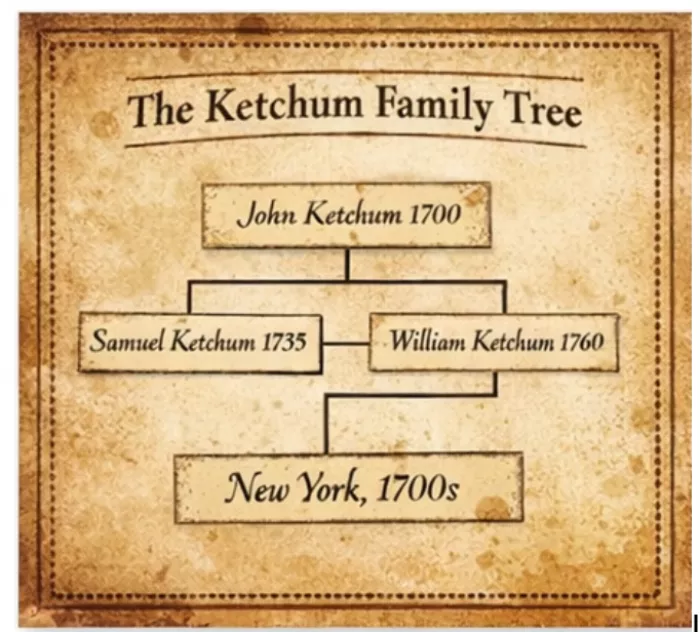
Outside of slang and pop culture, Ketchum remains a legitimate surname with centuries of history.
Example:
“The Ketchum family settled in New York during the 1700s.”
Today, the name is still common across North America and appears in historical records, academic references, and public life.
Ketchum in Online and Slang Contexts
In some conversations, I have also seen Ketchum used humorously to describe someone who loves collecting, gaming, or completing every challenge.
Example:
“You finished every side quest. You’re such a Ketchum.”
This usage leans more toward fandom humor than true slang.
Ketchum and Pokémon Explained Clearly
The Pokémon franchise intentionally designed the name Ketchum to connect with its core mechanic of catching Pokémon. “Ash” represents youth and beginnings, while “Ketchum” reinforces the idea of exploration and persistence.
That strong association is why the name still carries cultural weight decades later.
Ketchum as a Place Name
Ketchum is also a real town in Idaho, USA. It is known for:
● Sun Valley ski resort,
● outdoor recreation,
● scenic mountain landscapes.
This geographical presence adds another layer of legitimacy to the name beyond entertainment.
Common Misconceptions I Encountered
Many people assume:
● Ketchum is an official slang term. It is not.
● Ketchum directly means “taking a break.” That meaning is contextual.
● The name was invented only for anime. The surname existed long before Pokémon.
Clarifying these points is important for accuracy.
Ketchum vs Hiatus
Here is how I see the difference clearly:
| Aspect | Ketchum (informal use) | Hiatus |
| Tone | Casual and playful | Formal |
| Usage | Social media and chats | Official announcements |
| Duration | Short and flexible | Often longer |
| Emotion | Expressive | Neutral or serious |
Hiatus signals a formal pause. Ketchum, when used, feels lighter and personal.
Related Expressions People Use Instead
In many cases, people use clearer alternatives such as:
● soft break
● pause mode
● offline for a bit
● reset time
● on hold
These phrases are more widely understood than Ketchum.
When It Makes Sense to Use “Ketchum”
From what I observed, Ketchum works best in:
● casual conversations,
● social media captions,
● blogs with an informal tone.
It does not belong in academic writing, legal documents, or formal professional communication.
Real Life Examples
Content creator:
“I’m taking a short Ketchum to plan better content.”
Student:
“Ketchum mode until exams are done.”
Work chat in a relaxed team:
“On Ketchum today, back Monday.”
Is There Really a Connection to Ash Ketchum?
Culturally, yes. Linguistically, no.
The connection is emotional and nostalgic rather than formal. The playful reversal from “catch everything” to “step back and pause” is what gives the word its charm in online use.
Why Understanding the “Ketchum Meaning” Matters
Ketchum is a good example of how language evolves through:
● fandoms,
● internet humor,
● emotional expression.
Even when a word is not officially defined, its usage can still reflect cultural moods, especially around rest, balance, and boundaries.
Final Thoughts
Ketchum does not officially mean “taking a break,” but in certain online spaces, people use it that way intentionally and playfully.
Whether you see Ketchum as a surname, a Pokémon reference, or casual internet slang, it highlights how modern language blends nostalgia, culture, and emotion.
As with most internet terms, context matters more than definition.


Comments