techexample org Review: The Truth About This So‑Called Ultimate Tech Resource



If you’ve discovered techexample.org while searching for tech tips or gadget reviews, you might be wondering: Is this just another generic tech blog, or is it actually useful for real users like you? This review breaks down what the site does well, where it clearly falls short, and whether it deserves a spot in your bookmarks.
You’ll get an honest, SEO-focused overview of Tech Example’s content quality, user experience, consistency, and overall trustworthiness, plus how it stacks up against other similar “learn tech with examples” blogs.
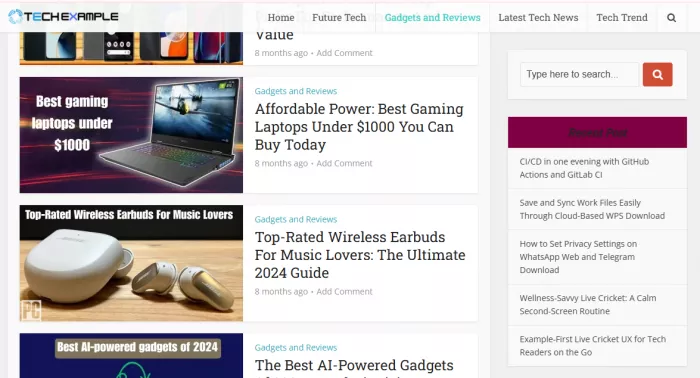
Tech Example Overview
Tech Example (techexample.org) is a tech blog that focuses on making technology simple for everyday users through news, guides, and reviews. It positions itself as an easy-to-understand resource for beginners and non‑technical readers.
Core Sections
- Future Tech (innovation, emerging technologies)
- Gadgets and Reviews (smartphones, wearables, accessories, etc.)
- Latest Tech News (updates, trends, product launches)
- How‑to guides, tutorials, and practical tips (e.g., app settings, troubleshooting)
Basic Facts (What the Site Claims to Be)
- Niche: General tech blog with a focus on explanations, guides, and gadget reviews
- Audience: Beginners, casual tech users, and some intermediate learners
- Content formats: News posts, how‑to guides, tutorials, listicles, and product reviews
- Monetization: Standard blog structure; external articles suggest content is free and educational, likely monetized via ads/affiliates but not aggressively disclosed on public summaries.
- “Write for us” page: Open to guest contributions, indicating a content‑hungry model that may mix in varying author quality.
Why This Site Was Reviewed
This site has been promoted by several third‑party sites as a “trusted” and “valuable” platform for learning tech through practical examples, which sets expectations quite high.
Those articles claim that the site simplifies complex tech topics, offers unbiased product reviews, and serves both beginners and professionals.
Types of Articles You’ll Find
1. Tech News & Trends

Tech Example publishes news‑style articles and “latest tech trend” posts that summarize developments in AI, software updates, and other emerging technologies. These are positioned as snackable info rather than original, investigative reporting.
For news, that means you’re mostly getting digest‑level coverage based on existing public information, not exclusive scoops, benchmarks, or deep industry analysis.
2. How-To Guides & Tutorials
This is where most third‑party reviews say the site shines. Examples include:
- Setting up or configuring common apps and services
- Solving everyday tech issues (slow phone, connectivity problems, simple security adjustments)
- Basic workflow optimization and step‑by‑step walkthroughs for tools
These guides are consistently described as practical and accessible, written in plain language so even non‑tech‑savvy readers can follow along.
3. Gadget Reviews & Comparisons
Tech Example runs product reviews and comparisons for gadgets like smartphones, wearables, and accessories. External descriptions claim the reviews aim to be “unbiased,” focusing on pros, cons, and real‑world usability.
However, no widely cited independent user review platforms (e.g., Trustpilot) appear to specifically rate techexample.org as a brand, which means the “unbiased” claim is primarily self‑positioning plus a few blog‑style endorsements on other small sites.
Positive and Negative Experiences (From Around the Web)
There are no major independent review profiles for techexample.org on platforms like Trustpilot or large consumer review sites, so feedback is mostly from blog‑style commentary and recommendation posts. Still, these sources give a general sense of how the site is perceived.
What People Generally Like
- Practical focus: Readers reportedly appreciate that many posts are solution‑oriented: “do this to fix X issue” or “here’s how to use Y tool productively.”
- Variety of topics: Users like that they can get news, guides, and reviews in one place rather than hopping between multiple niche blogs.
Common Concerns and Limitations
- Not a specialist resource: For deep dives into very technical domains (e.g., advanced programming, DevOps architectures, or in‑depth hardware benchmarking), the site is simply not competitive with niche expert blogs or documentation.
- Credibility depends on authors: A “write for us” model can attract good contributors, but also introduces inconsistency in expertise and style if not tightly edited.
- No strong public review footprint: Lack of large‑scale user ratings on independent platforms makes it harder to validate long‑term reliability and editorial standards beyond promotional write‑ups.
- Broad, sometimes shallow coverage that doesn’t compete with highly specialized tech sites
- Heavy reliance on general blogging/SEO structures rather than original research or unique data
- Unclear editorial oversight for guest content, which can cause inconsistency in article depth and quality.
- These external views line up with the “good for beginners, not ideal for experts” conclusion.
Final Takeaway
If you’re someone who just wants straightforward tech guides, techexample.org is a useful, free resource that explains things in plain language and focuses on practical results. It’s especially handy for how‑to tutorials, basic troubleshooting, and quick overviews of new tools or gadgets.
However, if you’re an advanced user, developer, security professional, or hardcore hardware enthusiast, the site will feel basic and sometimes generic; you’ll get better value from specialist blogs, official docs, and more technical publications. In brutally honest terms: Tech Example is a solid starter site, not a destination for serious deep‑dive tech research.


Comments