What Makes a Great Creator Landing Page?



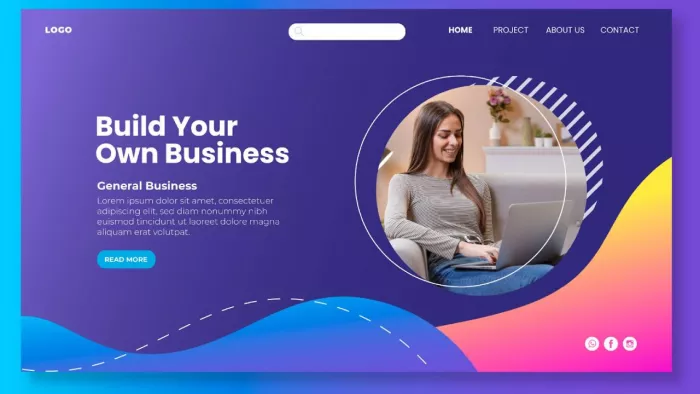
A few years ago, a creator landing page was mostly a convenience tool. It gathered links in one place and solved the “one bio link” problem. That was enough when audiences were smaller and expectations were lower.
In 2026, that same page often sits at the center of a creator’s business. It is where casual interest either turns into a subscriber, customer, or community member or quietly disappears. The difference between an average page and a high-performing one usually comes down to structure, clarity, and intent rather than flashy design.
Clear Positioning Above the Fold
The strongest landing pages communicate purpose within seconds. Visitors should immediately understand who the creator is, what they offer, and why it matters. When this is vague, even beautifully designed pages tend to underperform.
A good above-the-fold section usually includes a short positioning line, recognizable visuals, and a primary call to action. The goal is not to impress with clever wording but to remove confusion quickly. Clarity consistently beats creativity here.
Creators who skip this step often see decent traffic but weak conversions. The page looks active, but visitors are unsure where to go next.
A Single Primary Action
One quiet mistake many creators make is treating every link as equally important. In reality, high-performing pages guide attention toward one main outcome rather than ten competing ones.
Strong pages typically prioritize one core goal, such as newsletter signup, product purchase, community join, or booking inquiry. Secondary links still exist, but they do not compete visually with the primary path.
When everything is highlighted, nothing stands out. A focused page tends to convert better simply because it reduces decision fatigue.
Mobile Experience That Feels Effortless
Most creator traffic today is overwhelmingly mobile. Despite that, many landing pages still feel slightly cramped, slow, or awkward on smaller screens.
A strong mobile experience means fast loading, thumb-friendly spacing, readable typography, and minimal visual clutter. Visitors should be able to understand and act without zooming, pinching, or hunting for buttons.
Pages that feel smooth on mobile quietly outperform those that only look good on desktop previews. This is one of the most underestimated conversion factors.

Visual Identity That Feels Intentional
Audiences are exposed to thousands of creator pages. When every page uses the same default templates and color schemes, brand memory weakens.
Effective landing pages usually maintain consistent colors, typography, and imagery that match the creator’s broader presence. This does not require heavy design work, but it does require intentional choices.
The goal is recognition, not decoration. A page should feel like an extension of the creator’s brand rather than a generic link directory.
Built-In Audience Capture
Traffic without capture is fragile. Many creators still rely entirely on social platforms without building direct audience relationships.
High-quality landing pages often include at least one capture mechanism such as:
● Email signup
● Free resource exchange
● Waitlist
● Community join
This shifts the page from being purely navigational to strategically valuable. Over time, owned audience channels tend to outperform pure social traffic.
Analytics That Go Beyond Click Counts
Basic click tracking is no longer enough for creators who treat their work seriously. Modern landing pages benefit from deeper visibility into what visitors actually do.
Useful signals often include:
● Link performance patterns
● Conversion rates
● Visitor behavior flow
● Device breakdown
Creators who review this data regularly tend to refine their pages faster. Those who ignore it often rely on guesswork longer than necessary.
Tools That Help Build Strong Creator Landing Pages
For creators evaluating their setup, several platforms currently support more advanced landing page workflows. Each serves slightly different needs.
Zivolio
Website: https://zivolio.com
What it is
Zivolio positions itself as a modern creator growth platform rather than a simple link hub. It focuses on combining link management with conversion and audience tools.
Where it stands out
Pros:
● Clean, conversion-focused layouts
● Emphasis on creator branding
● Built-in audience capture tools
● Designed for business-minded creators
Cons:
● Newer platform compared to legacy tools
● Feature depth may vary by plan
● Smaller ecosystem than older competitors
Linktree
Website: https://linktr.ee
What it is
One of the earliest and most widely used link-in-bio platforms. Known for simplicity and quick setup.
Where it stands out
Pros:
● Extremely easy to use
● Large template ecosystem
● Familiar to most creators
● Reliable basic functionality
Cons:
● Many pages look similar
● Limited deep customization on lower tiers
● Primarily link-directory focused
Beacons
Website: https://beacons.ai
What it is
A creator monetization platform that combines link pages with storefront and audience tools.
Where it stands out
Pros:
● Strong monetization features
● Built-in digital product support
● Modern interface
● Good for creator storefronts
Cons:
● Can feel feature-heavy for beginners
● Some advanced tools behind paywalls
● Setup takes longer than simple link tools
Common Mistakes That Quietly Hurt Performance
Many landing pages underperform not because of one major flaw but because of small structural issues that compound over time.
Frequent problems include:
● Too many equal-weight links
● No clear next step
● Slow mobile loading
● Generic visual identity
● No audience capture mechanism
● Ignoring analytics completely
None of these are catastrophic alone, but together they reduce conversion efficiency significantly.
The Real Test of a Strong Creator Page
A great creator landing page is not defined by how polished it looks. It is defined by what happens after someone lands on it.
If visitors understand the value quickly, take meaningful action, and remember the brand later, the page is doing its job. If traffic arrives but quietly leaks away, the structure likely needs refinement.
In the current creator economy, the bio link is no longer just a convenience layer. It is a conversion surface. The creators who treat it that way are usually the ones who see the biggest long-term gains.

Comments