Why Buying Crypto in India Is Simpler Than You Think



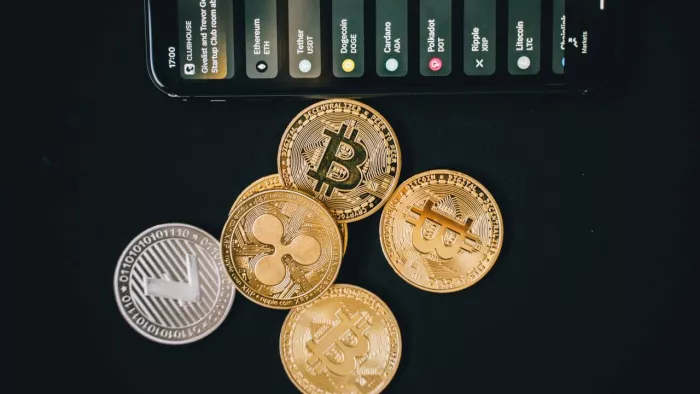
Crypto often gets framed as a high-stress puzzle. You hear about volatility, scams, and regulation in the same breath. That noise makes the whole thing feel heavier than it is. In practice, buying crypto in India now fits neatly into the country’s wider shift toward digital finance and everyday technology use.
Forget hype or promises. This is about process. Millions of Indians already buy crypto with the same calm routine they use for online banking or app based payments. Once you understand the rules, the steps, and the risks, the experience becomes ordinary rather than intimidating.
The process is more familiar than it sounds
Buying crypto in India usually follows a predictable path. You create an account on a compliant platform. You verify your identity. You fund the account. Then you place an order. That sequence mirrors opening an online investment account or using a new payment app.
Many people first look up how to buy crypto in India when they realise platforms now offer clear steps and simple interfaces. Large global services like Binance emphasise guided onboarding because confusion leads to mistakes. When each step is spelled out, users slow down and make better choices. That design choice reduces risk in a very practical way.
India is no stranger to crypto adoption
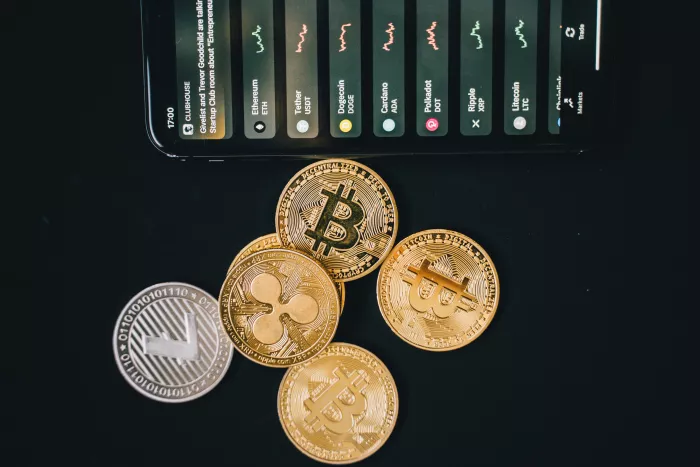
India didn't become the world’s largest crypto market by accident. The 2024 and 2025 Chainalysis Global Crypto Adoption Index placed India at number one worldwide for grassroots crypto use. That ranking reflects real transactions and real users. It measures activity across retail trading and decentralised finance, which shows depth rather than novelty.
Estimates suggest over 100 million Indians hold some form of cryptocurrency. That scale matters. It means guidance is no longer abstract. Friends, colleagues, and online communities already exist who can explain what works and what does not. Learning happens socially, which lowers the barrier to entry.
Regulation adds structure
Crypto operates inside a defined legal framework in India. Trading and investing are legal. Platforms must register with the Financial Intelligence Unit and follow anti-money laundering rules. These requirements mean identity checks and transaction monitoring. They may feel tedious, but they reduce fraud and misuse.
Tax rules also remove ambiguity. India applies a 30 percent tax on profits from virtual digital assets and a 1 percent tax deducted at source on many transactions. Knowing this upfront allows planning. You are accounting for it like any other asset.
Basic terms without the fog
A blockchain is a shared digital record. It logs transactions so anyone can verify them. No single company controls it. That structure makes manipulation difficult. There's no need to understand the code to use it, nor a need to understand mobile networks to make a call.
A wallet stores your private keys. Those keys prove ownership of your crypto. The wallet doesn't hold coins physically. It controls access. Think of it as a secure keychain. Lose the keys and you lose access. Keep them safe and your assets stay under your control.
Security habits that pay off
Studies consistently show that most crypto losses come from account compromise rather than technical failure. Research compiled by CoinLaw shows billions lost globally through phishing, weak passwords, and social engineering. These are preventable mistakes.
Strong passwords matter. Two-factor authentication matters more. App-based authentication blocks many common attacks. Securing your email account matters too, since password resets often go there. These steps are dull. They are also effective.
Custody choices shape your risk
Keeping crypto on a platform is convenient. Holding your own keys gives more control. Academic research shows that offline key storage reduces exposure to malware and phishing. Hardware wallets isolate keys from internet connected devices, which blocks entire classes of attack.
Many users combine approaches. They trade small amounts on platforms and store long term holdings offline. That balance reduces risk without adding complexity.
A wider view from industry leadership
Richard Teng, CEO of Binance, has described crypto adoption as a domino effect. Once large systems begin recognising digital assets as legitimate, momentum builds quickly. His point reflects what happens when regulation, infrastructure, and demand align. India shows that pattern clearly.
This perspective explains why buying crypto now feels easier than it did a few years ago. The systems around the user have matured. The path is clearer.
Adoption grows through daily use
Yi He, co-founder of Binance, has said that crypto is already reshaping finance one day at a time. That reshaping happens through routine actions. People buy small amounts. They learn. They adjust habits. Over time, confidence replaces hesitation.
This gradual adoption is visible in India’s tier two and tier three cities, where crypto use has grown alongside wider digital finance adoption. It mirrors the spread of online payments years earlier. Familiar patterns repeat.
Simpler than the stories suggest
Buying crypto in India isn't as chaotic as you think. It is a sequence of understood steps supported by regulation, community knowledge, and maturing technology. The difficulty lives mostly in the stories told about it.
Once you focus on process, the experience settles. You buy. You secure access. You track your obligations. That's it. The simplicity reveals itself only after you stop expecting drama.


Comments