The YouTube Channel Growth Roadmap for Influencers

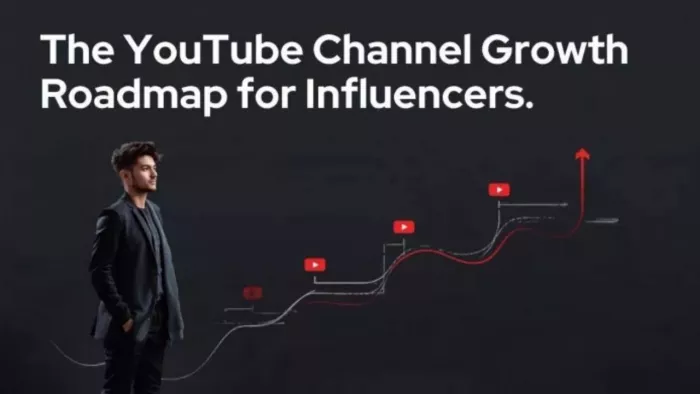
Growing a YouTube channel from scratch is not a mystery. It is a process. Most creators treat it like a lottery: upload, wait, hope. The ones who reach monetization treat it like a system. This roadmap breaks that system into stages, covering what to do first, where creators stall, and which tools move the needle.
Build the Foundation Before You Chase Numbers
Before views, before subscribers, before monetization, there is structure. The most common mistake new creators make is skipping this stage entirely. They launch a channel, post a few videos, see no traction, and give up. What they missed was the groundwork that makes growth compound rather than stall.
Niche clarity. Your channel needs a specific identity, not something vague like “lifestyle” or “motivation.” When your focus is sharp enough, a new viewer immediately understands what you offer and why they should stay. A clear niche also helps the algorithm identify who to show your content to.
Visual consistency. Thumbnails, channel banner, and color palette should communicate the same brand at a glance. This is not about design talent. It is about being recognizable. Viewers scrolling a feed should identify your thumbnail before they read the title.
A complete profile that functions as a portfolio. Your YouTube channel does not exist in isolation. Brands, collaborators, and new viewers will look you up across platforms. Before chasing growth, make sure that presence represents you well, with links, previous work, and brand partnerships consolidated in one accessible place.
The Content Volume Phase
Once the foundation is set, the next phase is demanding: publish consistently. YouTube rewards channels that give it data. The more videos you upload, the better the algorithm understands your content, your audience, and your engagement patterns. Early on, volume matters more than perfection.
A realistic target is one to two videos per week. The goal is not to go viral. The goal is to generate enough data points that YouTube begins recommending your content to the right people. Three metrics deserve focus at this stage.
- Watch time over view count. A video watched 80 percent through is worth far more to the algorithm than one clicked and closed after ten seconds. Structure videos to hold attention, not just attract it.
- Click-through rate on thumbnails. A high CTR tells YouTube your content is compelling. Test different thumbnail styles while your channel is small and the feedback loop is fast.
- Consistent upload schedule. Audiences and algorithms both respond to predictability. Pick a schedule you can sustain and hold it.
Breaking Through the Initial Plateau
Most channels hit a wall somewhere between 100 and 1,000 subscribers. Views plateau. Growth slows. This is where creators quit, or get strategic. The plateau exists because the algorithm needs a signal to push content beyond your existing audience. Without external momentum, that signal is slow to build.
A calculated view boost can change the trajectory. When a new video receives early views at scale, it signals interest to the algorithm, which begins testing the video with broader audiences. More initial views create more data, and more data accelerates recommendation cycles.
Choosing to buy views on youtube is one tool for that initial momentum. Views4You delivers views from real accounts with flexible delivery pacing, so growth appears organic. Starting at $0.98 for 100 views, it is an accessible lever for creators who produce quality content but need that first push past the plateau.
The key distinction: purchased views work as a catalyst, not a substitute. If watch time is low, the algorithm will stop recommending regardless of the initial view count. Use the boost to get discovered, then let the content do the rest.
Hitting the Partner Program Thresholds
YouTube’s monetization requirements are specific: 1,000 subscribers and 4,000 watch hours within the last 12 months. These thresholds filter out channels with no real audience before opening up ad revenue. For creators who have been building consistently, they are milestones, not barriers.
The fastest path through them combines consistent uploads with strategic promotion. Each new video adds watch hours, and each share or embed compounds toward the 4,000-hour target. High-retention videos are the most efficient route, since a 15-minute video watched in full contributes 15 minutes per view.
What Monetization Actually Looks Like
Reaching the YouTube Partner Program is the beginning of monetization, not the end. Ad revenue alone rarely sustains a creator at early stages. The channels that build real income treat YouTube as one part of a broader system.
Ad revenue is passive and scalable once the audience is large enough, though CPMs vary widely by niche. Finance and business content can earn several times more per view than entertainment or gaming.
Brand partnerships are the highest-value income source for most mid-tier creators. A channel with 10,000 highly engaged subscribers in a specific niche can be worth more to certain brands than a general channel ten times its size.
Affiliate marketing offers lower friction per deal, with compounding returns over time. A well-placed link in a high-traffic video can generate income for years with no additional effort.
Digital products and services, including courses, templates, and consulting, let you monetize expertise directly. This stream scales independently of any algorithm changes.
Frequently Asked Questions
Do purchased views count toward watch hour requirements
Purchased views contribute to your view count but only add watch hours when real users watch your content for meaningful durations. Services delivering views from genuine accounts with authentic watch patterns produce results the algorithm actually responds to.
How long does reaching 1,000 subscribers realistically take
For a creator publishing one to two videos per week in a defined niche, the average range is six to eighteen months. Channels combining consistent content with strategic promotion tend to move faster, while irregular publishing or an unclear niche can extend that timeline significantly.
Which niches generate the highest YouTube ad revenue
Finance, investing, legal, and software niches consistently generate the highest CPMs, often ranging from $10 to $30 per thousand views. Engagement quality matters as much as CPM rates, so the best niche is ultimately one where you can produce useful content on a reliable schedule.
When should a creator start pursuing brand deals
Earlier than most expect. Brands are increasingly open to micro-influencers with audiences between 5,000 and 50,000 subscribers when engagement is high and the niche is relevant. A professional creator profile showing past content and audience demographics removes the friction from that first conversation.


Comments