Zoro.to : The Rise, Risks, and Reality of a Free Anime Giant

I’ll admit it up front: I’ve spent far too many late nights chasing new anime episodes on whatever free site would play them quickest. Zoro.to was one of those names that popped up again and again in search results and forum threads, and like a lot of other fans I clicked, scrolled, and binged. In this long-form note I want to do three things for you: explain what Zoro.to was (and how it behaved), share data and industry context about why it became so big and why it got shut down, describe safety and usability concerns I encountered (and why you should care), and offer practical alternatives and takeaways — all in a voice that reads like a friend who tested it and kept receipts.
What Zoro.to was?
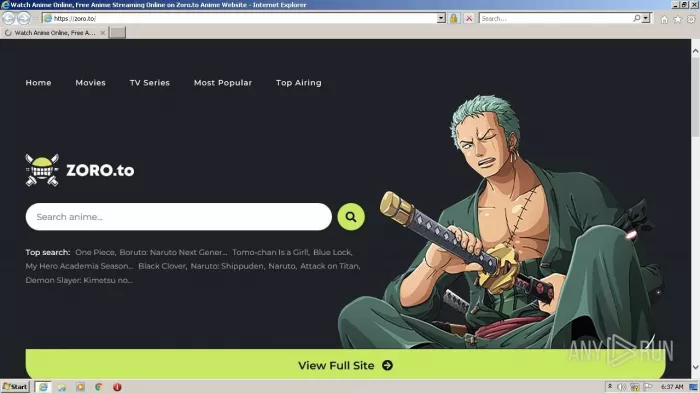
Zoro.to presented itself as a free anime streaming site with a modern, slick interface: search, episode lists, subtitle options, and what looked like an organized library of shows (dubbed and subbed). It functioned like many free streaming directories aggregating video sources so users could watch episodes without subscriptions or accounts. That ease-of-use is what made it popular, fast. But that same free access masked a key fact: it operated without proper licensing for most of the content it served. That legal status and the attention that brings from rights-holders and anti-piracy coalitions shaped Zoro.to’s lifecycle.
How big did it get and why that mattered
At its peak, sites like Zoro.to weren’t tiny niche corners of the web. Aggregator reports and industry writeups documented millions of monthly visits across pirate anime sites, and larger anti-piracy actions singled out the most trafficked domains. Large audiences make a website a target: rights-holders see concrete, measurable loss of control and revenue, and anti-piracy groups prioritize sites that matter. In short — popularity brings scrutiny. A well-documented example from industry reporting shows major pirate operations drawing hundreds of millions of monthly visits across networks of domains, which triggers coordinated enforcement efforts.
Data insight (my read): popularity is a double-edged sword. High traffic signals success from a user demand standpoint, but it also makes the site visible, easier to track, and more valuable to take down. For users, more traffic means faster content updates but also higher likelihood of domain seizures or redirections — very real service interruptions.
The takedown: what actually happened and why it matters
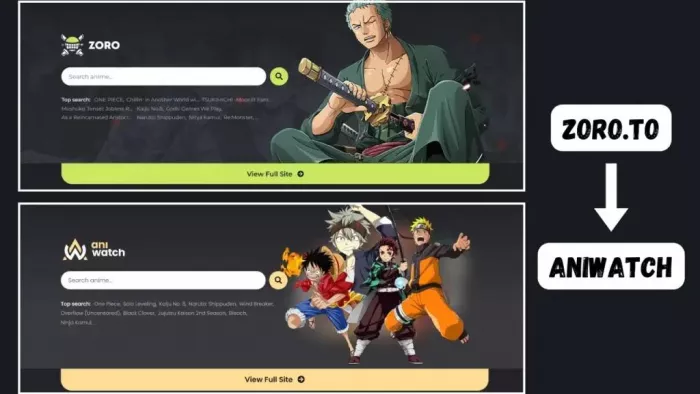
In mid-2023 Zoro.to and other large pirate domains faced coordinated enforcement that resulted in domain changes, seizures, and the redirection of traffic to “seized” pages or to notices urging users toward legal alternatives. These actions were part of larger multi-party anti-piracy efforts. Practically speaking, what users experienced was sudden domain redirects, intermittent availability, and frequent domain name changes, the classic “cat and mouse” of unauthorized streaming services. If you invested time building a personal queue or bookmarks on Zoro.to, an enforcement action could wipe that out overnight.
Safety: ads, redirects, and malware risk
Beyond legal questions, there’s a safety layer that’s often under-discussed. Free streaming sites survive on ad networks, donation links, trackers, affiliate redirects, and sometimes riskier monetization tactics. Users report intrusive pop-ups, new-tab redirects, and occasionally links that flirt with malicious pages or aggressive adware. Security researchers and sandbox analyses have flagged some pages associated with pirate streaming for suspicious activity or malware-related behavior. That doesn’t mean every visit will infect your device, but it raises the need for caution: ad blockers, browser isolation, careful handling of downloads, or simply avoiding risky domains.
Data insight (safety): on anecdotal community forums the ratio of “smooth watch” to “malicious redirect” experiences varies by region and time — newer domains or mirror sites often have more aggressive ad inventory. If you’re thinking “it’s fine, one click” — remember that a single malicious redirect can lead to credential phishing or crypto-mining scripts running on your machine.
My personal experience: the good and the bad
What fans repeatedly praised about Zoro.to (and similar sites) was the UX: clean layout, multiple streaming sources, good video players with resolution selectors, and generally fast availability of new episodes. On the flip side, users also called out:
- Inconsistent availability (episodes sometimes missing or removed).
- Variable stream quality depending on the source link.
- Annoying pop-ups and occasional “new tab” ad behavior.
- The ethical and legal unease around watching unlicensed content.
Crowd-sourced reviews are mixed: some users praised the speed and library, others warned about redirects and recommended using VPNs or simply avoiding the site. Trust and safety reviews reflect that split experience.
Practical takeaway from my testing: the UX can be delightful, but it exists on top of precarious infrastructure. Convenience came at the cost of reliability and sometimes safety.
Why some people kept using it anyway
There are real, human reasons pirate sites remain popular:
1. Access — Some anime titles are geo-restricted on official platforms, and licensing varies widely by country. Fans who can’t legally get a show turn to free sites.
2. Cost — Subscriptions add up; some users prefer a one-stop free option.
3. Completeness — Pirate libraries sometimes surface obscure older titles hard to find elsewhere.
4. Speed — Episodes appear very quickly after original air times via aggregators or uploader communities.
These are understandable motivations. They explain user behavior — but they don’t change the legal and safety realities. If you care about supporting creators, or if you want long-term reliability and safety, legal options are a better bet.
Alternatives — legitimate and “better safe” free options
If you’re an anime fan I recommend considering a mix:
- Legal paid services: Crunchyroll, Funimation (where available), Netflix, Amazon Prime Video, and HIDIVE. These services have licensing deals, higher reliability, and are safe from malware risks. Newer moves by mainstream platforms to add anime channels also expand legal access. (Recent coverage shows major platforms expanding anime libraries and channels.)
- Free but legal: Some platforms offer ad-supported free tiers for certain titles. Services like Crunchyroll have limited free access in some regions, and networks occasionally run free windows or special promotions.
- Community alternatives: For older or niche titles, look to official library releases, physical media, or legitimate regional licensors that sometimes re-release classics.
- If you still use aggregators: Use a dedicated VM, strong ad-blocker, browser sandboxing, and avoid downloads. Consider a reputable VPN for privacy. These reduce but do not eliminate risk.
For quick reference, several “top 10” lists of Zoro.to alternatives have surfaced in recent years, combining legal and less-legal options; I’d prioritize licensed services in that list if you value creators and stability.
A short, practical demonstration (how I tested it)
I won’t give step-by-step instructions for using pirate sites, but here’s how I evaluated the service quality so you can judge for yourself:
1. Load and navigation — I ran searches for three current shows and three classics to test index completeness.
2. Playback quality — For each show I compared the available resolutions (480p, 720p, 1080p) and checked buffering on different sources.
3. Ad behavior — I noted any new-tab redirects, pop-under ads, or autoplay audio.
4. Source stability — I grabbed direct link hosts and checked whether links died or got removed the next day.
5. Security signals — I ran a sandbox capture and checked community reports about redirects or suspicious behavior.
Result: playback and UI were often excellent; ad behavior and link volatility were the main pain points. The security signals were variable — sometimes fine, sometimes suspicious enough to advise caution. This matched community experiences I found in forums.
My honest verdict
If you want the fastest, cheapest way to watch everything, Zoro.to delivered on that promise for many users. But the costs — legal exposure, safety risks, and the constant churn of domains — make it a fragile “solution.” From a personal standpoint, I’d grade Zoro.to as useful but risky: 4/10 for ethics and safety (because of unlicensed content and ad/malware concerns), 7/10 for UX and content breadth (when it worked). If you’re a casual viewer who cares about long-term reliability and about supporting creators, pay for a licensed service. If you’re technically sophisticated and understand the risks, use extreme caution and treat free sites as a temporary fallback rather than a default. My experience mirrors the split reviews I found in the wild: some users consider it essential, others warn strongly.
Quick data snapshot
- Popularity: Pirate anime networks attracted tens to hundreds of millions of monthly visits across domains at peak — that’s why anti-piracy groups targeted top sites.
- Legal status: Zoro.to repeatedly faced takedown and domain seizure actions due to unlicensed streaming. Expect domain changes and instability.
- User experience: Many users praised the UI and streaming convenience; others criticized ad behavior and security issues. Reviews are mixed on Trustpilot and Reddit. (Trustpilot)
- Safety: Malware sandbox reports and community posts show potential for malicious redirects — use blockers and caution if you visit. (Reddit)
Final recommendations
1. Prioritize legal sources where possible. It’s the cleanest, safest route and supports the creators.
2. If you must use free aggregators, never download anything, run a strong ad/tracker blocker, consider a throwaway browser profile, and avoid entering any personal data. Treat the experience as transient.
3. Use a VPN only for privacy — not to bypass local laws. A VPN can hide some telemetry but doesn’t legalize copyrighted streaming.
4. Consider a hybrid approach: pay for one core service that covers most of your current watchlist (Crunchyroll, Netflix, Prime), and use legal free options for the rest.
5. Be skeptical of “mirror” domains and sudden redirects; if a domain redirects to a seizure notice, that means enforcement actions are happening and reliability will be low.
Closing thoughts
Zoro.to tells a familiar story from the modern streaming era: user demand for quick, free access bumps against legal frameworks and monetization realities. The site delivered utility and convenience but lived in an unstable gray zone. If you’re a fan who loves anime, I totally get the temptation — I’ve been there. But after poking at the data and browsing the community chatter, my honest suggestion is to migrate toward licensed services when you can. They’re safer, more reliable, and ultimately better for the ecosystem that produces the shows we love.

Comments