Snapchat Solar System: What It Really Means and Why Everyone Is Talking About It



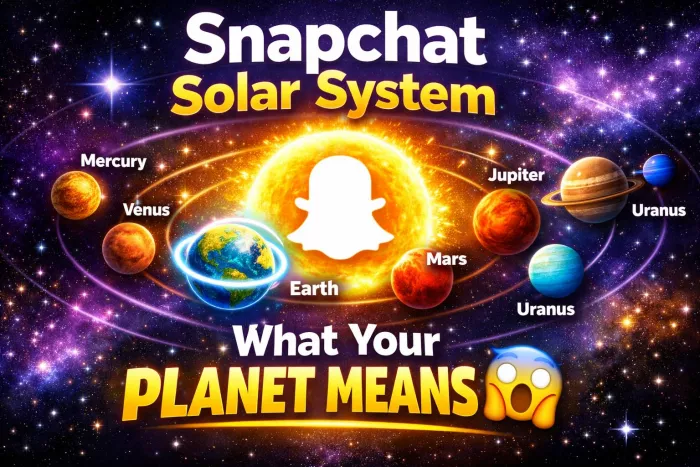
Snapchat has always felt personal to me, but the day I discovered the Snapchat Solar System, it suddenly felt emotional too. What looks like a fun planet animation is actually a visual ranking system that shows where you stand in someone’s closest circle.
At first, I smiled. But the moment I saw myself orbiting as a planet around a friend’s “Sun,” I realized it was more than just graphics; it was a mirror of our connection.
That is what makes this feature so fascinating.
What Is the Snapchat Solar System?
The Snapchat Solar System is a premium feature available to Snapchat+ users. It appears when both people have enabled the Friend Solar System option and when you are in their Top 8 best friends.
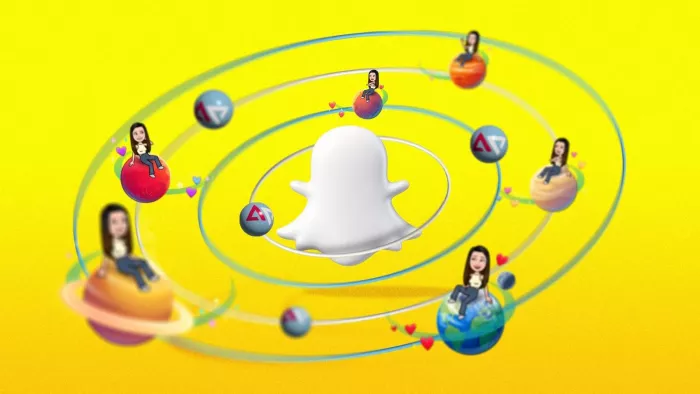
In this system, your friend becomes the Sun, while you appear as a planet. The planet you see represents your closeness to them. The closer you are to the Sun, the stronger your interaction history is.
What makes it powerful is that it is private. It only shows your rank in their list, not who else is there.
Why Snapchat Created the Solar System
Instead of cold numbers, Snapchat chose emotion and imagination. Turning rankings into planets makes relationships feel like stories rather than statistics.
Seeing myself as Mars instead of just “rank four” felt strangely meaningful. It made me reflect on how much effort and time I truly invest in certain friendships.
What Each Planet Symbolizes
| Planet | Rank | Meaning |
| Mercury | #1 | Closest connection |
| Venus | #2 | Very strong bond |
| Earth | #3 | Regular interaction |
| Mars | #4 | Moderate closeness |
| Jupiter | #5 | Casual friend |
| Saturn | #6 | Occasional contact |
| Uranus | #7 | Rare interaction |
| Neptune | #8 | Almost inactive |
Every time my chatting habits changed, I noticed my planet shift too.
How Snapchat Decides Your Planet
Snapchat’s Solar System feature doesn’t use random labels; it ranks your closeness with a friend based on recent interaction patterns. The closer you are to someone in the Solar System, the more often you and that person engage with each other. This includes how frequently you exchange snaps, chat messages, and story replies. The system updates dynamically, meaning your planet position can move depending on how active you are with someone over time. It does not reflect real-world friendship strength, but rather how active your digital interaction has been on Snapchat.
In essence, Snapchat uses your activity as signals:
- Daily snaps and chats strengthen your position
- Story replies and reactions show engagement
- Recency of interaction is weighted more than old chats
Think of it like a social gravity: the more you communicate, the closer your “planet” appears around someone’s digital sun.
How to View the Snapchat Solar System
To see your planet placement in someone’s Solar System, you need to follow these steps:
1. Subscribe to Snapchat+: Solar System is a Snapchat+ (paid) feature, so you must have an active subscription.
2. Enable the Solar System feature: Go to Snapchat+ in your app settings and switch on the Friend Solar System toggle.
3. Open your friend’s profile: From your Friends or Chats list, tap their Bitmoji/avatar.
4. Look for the Best Friends or Friends badge: Snapchat will show a badge with a gold ring if they are in your Top 8 interaction list.
5. Tap the badge: This displays the Solar System with planets representing friend ranks.
6. See your planet: If you are one of their top eight friends, you’ll appear as a planet showing your rank.
Remember: you can only view your own position in someone else’s Solar System, not their full ranked list.
The Emotional Side of the Solar System
Snapchat’s Solar System is fun and engaging, but it carries emotional weight because it visually symbolizes where you stand in someone’s world even if it’s just based on digital interaction. For many people, seeing yourself as Mercury, the closest planet, feels validating. On the other hand, landing on a more distant planet like Neptune can stir feelings of insecurity or comparison. This kind of ranking can lead users to overthink friendships, worry about being “less important,” or feel left out when positions shift without explanation.
These emotional responses have been strong enough that Snapchat adjusted how the feature works: the Solar System is now off by default for new users, so people have to consciously choose to enable it rather than encountering it unexpectedly.
In short:
- The feature can boost confidence when you’re close with someone
- It can also trigger insecurity or comparison if you’re farther away
- The key is to view it as a fun insight, not a judgment on real feelings
Is the Snapchat Solar System Healthy?
Whether this feature is “healthy” depends on how you interpret it. On the positive side, the Solar System can make interactions more engaging, fun, and visually meaningful. It lets you see how often you connect with certain people, turning abstract social signals into something intuitive and colorful.
However, there are concerns:
- For some users, especially teens, visible ranking can lead to comparison anxiety or self-doubt.
- Some may take it personally if they don’t appear as Mercury or Venus with a friend they care about.
- It might create unnecessary pressure to interact constantly, which can affect mental well-being.
Because of these risks, Snapchat now makes the Solar System optional rather than automatically enabled, giving users control over whether they want to see it.
Healthy use means enjoying the feature for fun and insight, but not letting it define your self-worth or friendships.
How to Improve Your Rank Naturally
Improving your planet's position in someone’s Solar System isn’t about tricks, it's about genuine, consistent interaction. Snapchat doesn’t let you manually set or rearrange planets, so rankings change based on real usage patterns.
Here’s how you can naturally build closer placement:
- Send snaps regularly: even short ones show activity
- Stay active in chats: messages and replies make a difference
- React to stories or respond to content: shows engagement
- Keep interactions consistent: frequent, real conversations matter more than random bursts of activity
Remember: forced or spammy behavior won’t make a meaningful change Snapchat’s ranking rewards authentic connection and activity, not quantity alone.
Privacy and Safety
Snapchat designed the Solar System to be private and user-controlled. Only you can see your own planet when you tap a friend’s profile others cannot see your placement in someone else’s Solar System unless they also have Snapchat+ and have enabled the feature.
Key privacy points:
- One-way view: You see your position in someone’s Solar System; you can’t view their whole ranked list.
- Opt-in only: The feature is not automatically enabled for all users; you choose to turn it on.
- No public exposure: Your ranking data is not shared publicly or visible on Snap-wide leaderboards.
- Control: You can disable the feature anytime in Snapchat+ settings.
Because the system is algorithm-based and uses private interaction data, it respects your privacy while still making friendships visually understandable.
Final Thoughts
For me, the Snapchat Solar System is no longer just a feature. It’s a gentle reminder of how connections grow or fade through daily moments. I still enjoy watching the planets shift, but I no longer let them define my friendships.
Because real relationships don’t live in orbit they live in the heart.


Comments