The 5 Best AI Tools for Performance Marketing Teams in 2026



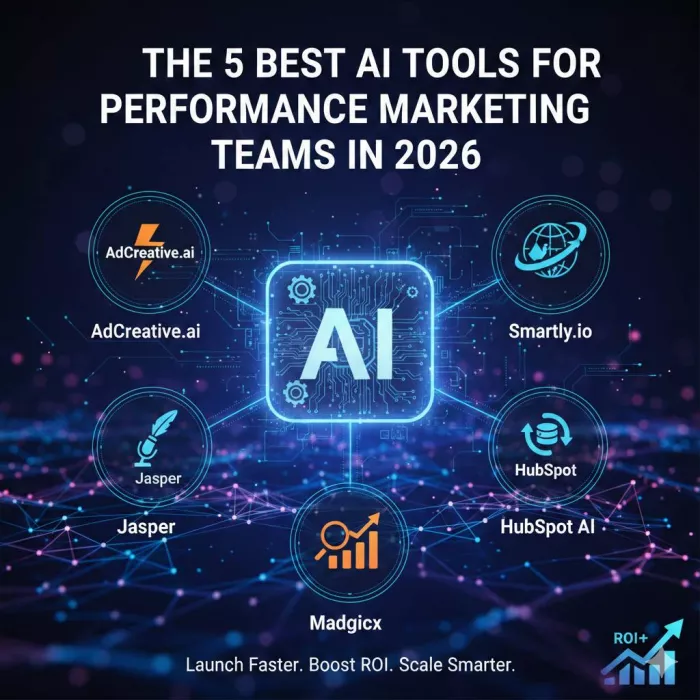
Performance marketing in 2026 looks very different than it did just a few years ago. AI now helps marketers launch campaigns faster, improve ROI, automate optimization, and scale without burning out teams. From generating high-performing ad creatives to reallocating budgets in real time, AI tools have become essential for modern growth teams.
Below are five of the most powerful AI tools performance marketing teams are using in 2026, along with what they do best, where they shine, and what to consider before adopting them.
1. AdCreative.ai
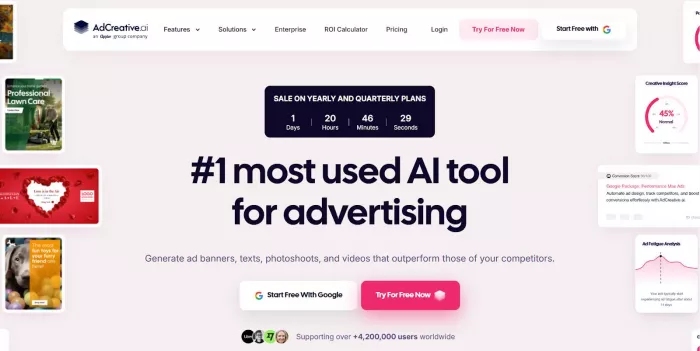
AdCreative.ai focuses on one of the biggest bottlenecks in performance marketing: creating ads that convert. Instead of manually designing dozens of variations, the platform uses AI to generate creatives optimized for conversions. AdCreative.ai
What it does
It analyzes historical performance data and automatically generates ad creatives designed to perform better across paid channels.
Key features
● AI-generated ad creatives (images & text)
● Conversion-focused design variations
● Creative performance scoring
● Brand kit and visual consistency
● Easy export for ad platforms
Best use cases
● Facebook & Instagram ads
● Google Display ads
● eCommerce brands testing multiple offers
● Startups and small teams with limited design resources
Pros
● Extremely fast creative production
● No design skills required
● Great for rapid A/B testing
Limitations
● Limited control for advanced designers
● Focused mainly on creatives, not full campaign management
Pricing & availability
● Free trial available
● Paid plans based on creative volume and features
2. Smartly.io
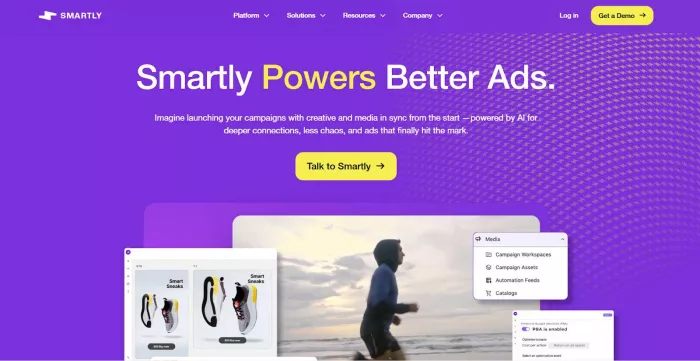
Smartly.io is built for large-scale paid social campaigns, especially for brands spending heavily on Meta, TikTok, Pinterest, and Snapchat. Smartly.io
What it does
It automates campaign creation, budget pacing, creative testing, and optimization across multiple paid social platforms.
Key features
● Automated campaign setup and scaling
● Dynamic creative optimization (DCO)
● Budget allocation based on performance
● Cross-channel reporting and analytics
● Advanced A/B testing
Best use cases
● Enterprise brands
● High-spend Facebook and TikTok advertisers
● Global campaigns with multiple markets
● Agencies managing large accounts
Pros
● Very powerful automation engine
● Handles massive ad volumes easily
● Strong analytics and reporting
Limitations
● Expensive for small teams
● Learning curve for new users
Pricing & availability
● Custom enterprise pricing
● No public free plan
3. Jasper
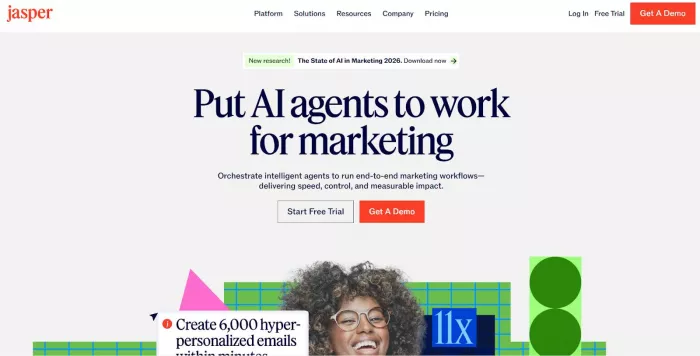
Jasper is one of the most popular AI tools for marketing copy and content generation, helping teams move faster without sacrificing quality. Jasper
What it does
It generates ad copy, landing page text, email campaigns, and headlines based on your brand voice and goals.
Key features
● AI-written ad copy and CTAs
● Brand voice training
● Templates for ads, emails, and landing pages
● Collaboration for marketing teams
Best use cases
● Google Search ads
● Facebook and LinkedIn ads
● SaaS and B2B lead generation
● Content-heavy marketing teams
Pros
● Easy to use and beginner-friendly
● Speeds up copywriting dramatically
● Consistent brand tone
Limitations
● Copy still needs human review
● Not designed for media buying or budget optimization
Pricing & availability
● Paid plans with limited free trial
● Pricing scales by usage and features
4. HubSpot
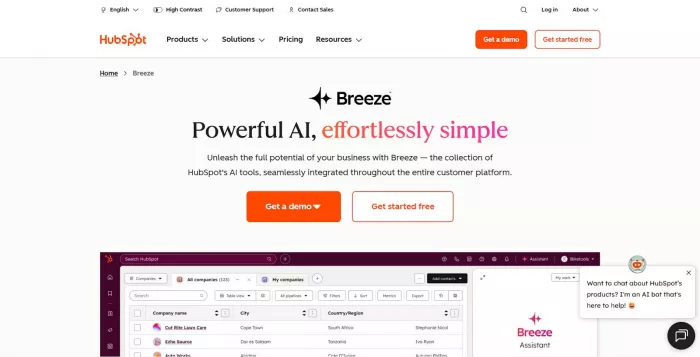
HubSpot AI brings artificial intelligence into a full CRM and marketing automation ecosystem, making it ideal for performance marketers focused on leads and lifecycle marketing. HubSpot (HubSpot AI)
What it does
It connects paid ads, landing pages, emails, and CRM data to optimize campaigns across the entire funnel.
Key features
● AI-powered lead scoring
● Automated email and ad optimization
● Predictive analytics and reporting
● CRM-driven audience targeting
● Campaign automation
Best use cases
● B2B performance marketing
● Lead generation and nurturing
● SaaS and service-based businesses
● Teams needing CRM + ads integration
Pros
● All-in-one marketing platform
● Excellent funnel visibility
● Strong automation capabilities
Limitations
● Can get expensive as you scale
● Not as specialized for paid social creatives
Pricing & availability
● Free CRM available
● Paid marketing hubs with tiered pricing
5. Madgicx
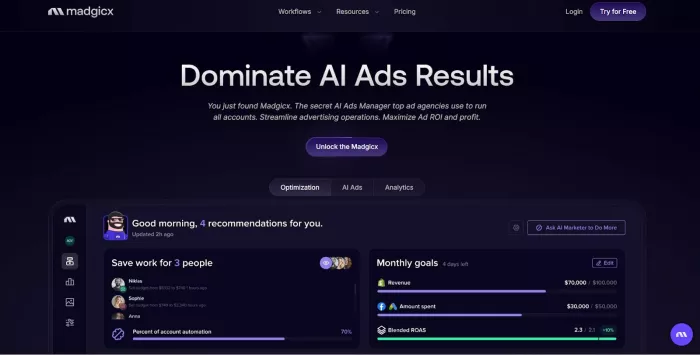
Madgicx is built specifically for media buyers who want AI-driven optimization across Meta and Google Ads. Madgicx
What it does
It uses AI to automate audience targeting, creative testing, budget distribution, and performance analysis.
Key features
● AI audience discovery
● Automated budget optimization
● Creative performance insights
● Predictive ROAS modeling
● Cross-account automation
Best use cases
● Facebook and Google Ads
● eCommerce brands
● Agencies managing multiple ad accounts
● Performance-driven teams
Pros
● Strong focus on ROI and scaling
● Built for hands-on media buyers
● Saves time on daily optimizations
Limitations
● Best results require clean data
● UI can feel complex at first
Pricing & availability
● Paid plans based on ad spend
● No long-term free plan
Final Thoughts: AI Is Redefining Performance Marketing
AI is no longer optional for performance marketing teams—it’s a competitive advantage. In 2026, the best marketers use AI to move faster, test smarter, and scale with confidence.
How to choose the right AI tool:
● Small teams or startups: Start with tools like AdCreative.ai or Jasper
● High ad spend or enterprise brands: Smartly.io or Madgicx
● Lead-focused or B2B teams: HubSpot AI


Comments