

A company can review hundreds of articles, proposals, and reports every month without knowing how much of that content was generated by AI. Detection tools help identify suspicious passages, but their results are not proof of authorship. For businesses, the challenge is finding a detector that fits existing workflows, handles the required volume, and provides enough information for meaningful editorial decisions.
Here are eight AI detection tools worth exploring in 2026, covering everything from content publishing and multilingual screening to document investigation and website auditing.
8 AI Detectors at a Glance
| AI Detector | Primary Business Use | Free Access |
| Originality.ai | Content publishing and SEO | Yes |
| GPTZero | Document and authorship reviews | Yes |
| Copyleaks | Enterprise and multilingual content | Limited checker |
| Winston AI | Text, images, and scanned documents | 14-day trial |
| Pangram | AI-assisted content investigation | Yes |
| Smodin | Content detection and writing tools | Limited |
| Scribbr | Occasional document checks | Yes |
| BrandWell AI Detector | Website and content marketing reviews | Yes |
These tools differ in scanning capacity, supported documents, reporting features, and commercial pricing. The order reflects their potential business applications, not a ranking established through independent accuracy testing.
1. Originality.ai : A Practical Choice for Publishing Teams

Originality.ai combines AI content detection, plagiarism checking, and editorial quality tools in a platform designed for publishers and SEO agencies. It is particularly relevant to businesses reviewing large numbers of articles from freelance writers.
An agency managing several client websites can use it to check incoming submissions and audit already published pages. Its shared reports and organizational features make regular content reviews easier to coordinate.
Why Businesses Consider It
● Website-wide content scanning: Editors can examine individual URLs or larger collections of published articles, reducing the need to manually copy content from every page.
● Combined editorial checks: AI detection, plagiarism screening, and readability assessments help reviewers investigate different quality issues without purchasing separate tools.
● Writing-process visibility: Its Google Docs extension supports scanning and replaying recorded writing activity, giving editors additional evidence when discussing a questionable submission.
● Team organization: Scan tags, account roles, and shared reporting help agencies track reviews across multiple writers, projects, and clients.
The Business Fit
Originality.ai is especially suitable for publishers with predictable content production schedules. A team producing 100 articles monthly can incorporate screening into its existing editorial checklist, while website audits help identify previously published material requiring further attention.
The Enterprise plan also offers API access, making it relevant to businesses that want detection integrated into custom publishing systems.
What to Consider Before Choosing
Originality.ai uses a credit system in which one credit covers 100 words of AI detection. Running additional checks consumes more credits, and unused monthly subscription credits expire. Agencies with fluctuating workloads should calculate their typical monthly word volume before purchasing a subscription.
Pricing: A free plan offers three daily scans. Paid plans start at $14.95/month, or $12.95/month with annual billing.
Recommended for: Content publishers, SEO agencies, and businesses managing frequent article submissions.
2. GPTZero : For Detailed Document Investigation
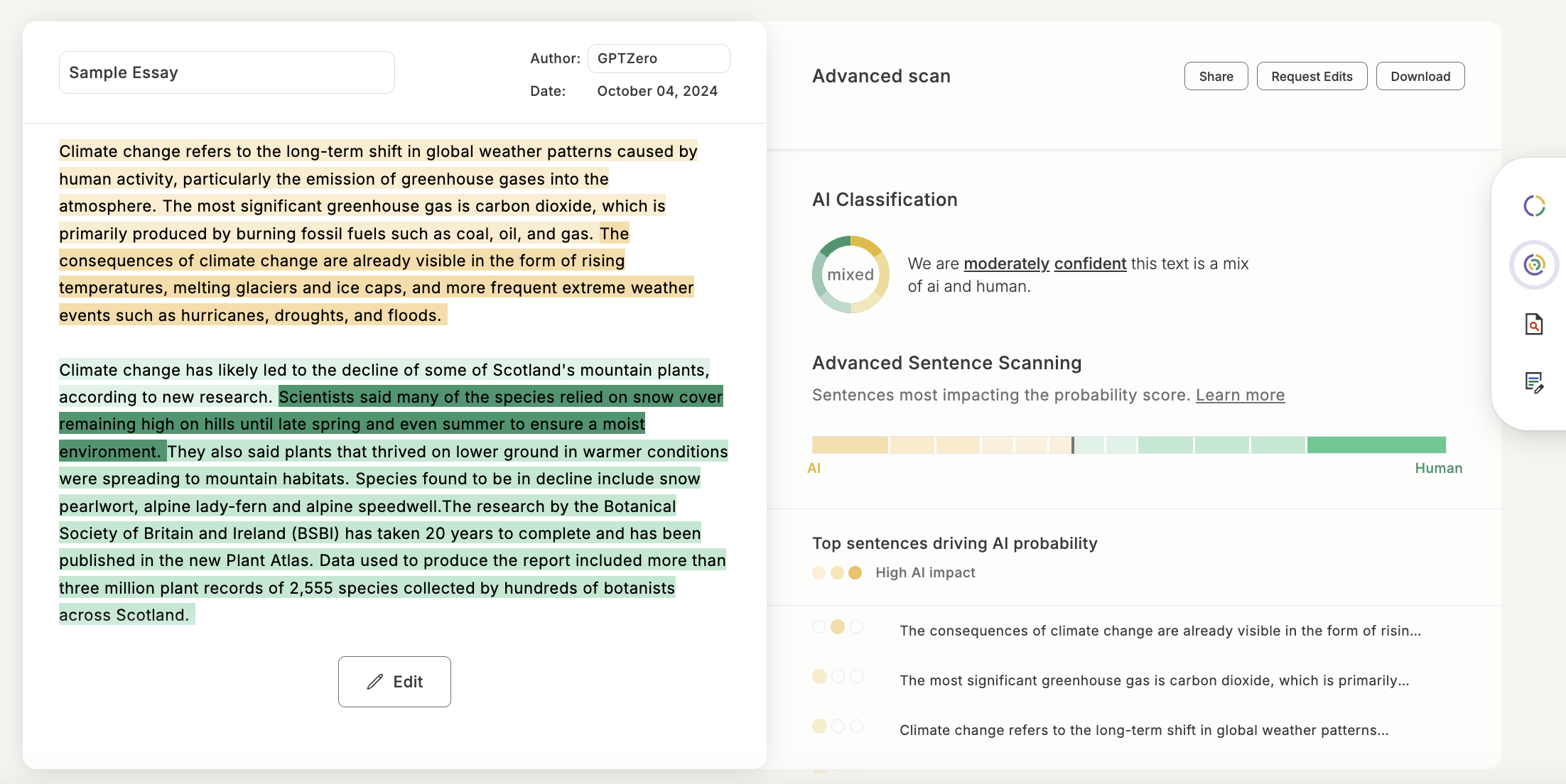
GPTZero focuses on examining potentially AI-generated writing within individual documents. Its passage-level detection and writing-process features make it useful for editorial teams that need more context than an overall AI score.
A research publisher reviewing a lengthy submission can examine highlighted passages and request supporting notes from the author. This approach is particularly relevant when AI assistance is permitted but undisclosed automated writing may violate editorial requirements.
Why Businesses Consider It
● Passage-level highlighting: Identifies individual sections that may require closer examination, helping editors investigate specific concerns rather than question an entire document.
● Writing-process tracking: Its supported Google Docs extension can record elements of the drafting process, offering additional context when authorship is disputed.
● Document screening: Supports longer documents and increased scanning allowances through paid subscriptions, making it useful for recurring review work.
● Plagiarism analysis: Provides source-similarity checking alongside AI detection so reviewers can investigate copied material separately from suspected AI writing.
The Business Fit
GPTZero is useful for research organizations, educational publishers, and businesses receiving detailed written submissions. Its passage highlighting is most valuable when a reviewer plans to examine the findings and communicate with the author.
For example, an editor can review the sources and revision history associated with a flagged research section rather than relying solely on its AI classification.
What to Consider Before Choosing
A passage-level result cannot establish who wrote the text. Writing-process evidence is also limited to supported documents and recorded sessions. Businesses should determine whether paid scan allowances, report exports, and team features suit their workflow before upgrading.
Pricing: A free plan is available, with paid subscriptions starting at approximately $10/month for the Essential plan, depending on billing.
Recommended for: Editorial teams, research publishers, and organizations requiring detailed document reviews.
3. Copyleaks : Enterprise-Ready Content Verification
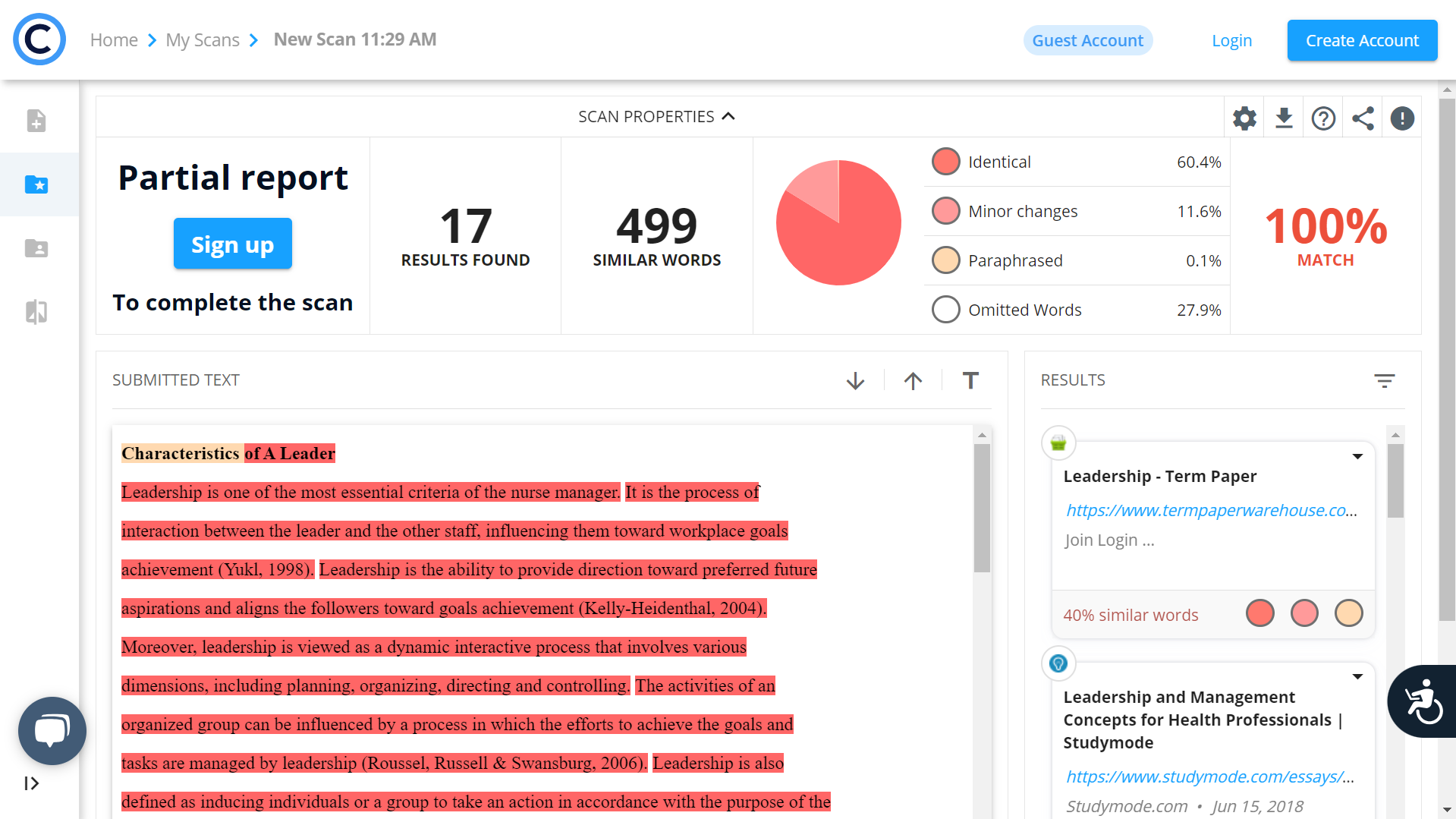
Copyleaks provides AI detection and plagiarism screening for organizations managing multilingual content. Its enterprise-oriented capabilities make it relevant to companies reviewing submissions from international writers, internal departments, and external contractors.
A multinational marketing team can use the same platform to examine articles in several languages. Its browser extensions and document integrations also support content reviews without requiring every employee to adopt a separate checking process.
Why Businesses Consider It
● Multilingual detection: Supports AI-generated text checks in more than 30 languages and plagiarism screening across more than 100 languages, covering many international content workflows.
● Unified reports: Combines AI and plagiarism findings into one screening process, helping reviewers distinguish possible machine generation from duplicated source material.
● Batch submissions: Allows multiple files to be uploaded together, reducing repetitive work for editors processing substantial document collections.
● Website and translation screening: The Pro plan adds sitemap-based website checks and cross-language plagiarism detection for businesses operating localized websites.
● Administrative features: Pro includes 25 user seats and an analytics dashboard, allowing managers to oversee scanning activity across a team.
The Business Fit
Copyleaks suits enterprises that manage content through several departments or language markets. Its higher-tier website scanning and organizational features can help standardize review procedures across a distributed publishing operation.
It is also a stronger candidate when businesses need to incorporate detection into existing systems through enterprise integration arrangements.
What to Consider Before Choosing
The Personal plan includes 100 monthly credits, equivalent to up to 25,000 words of text scanning. Pro offers considerably more capacity but costs substantially more. Businesses should also be aware that switching plans can override remaining credits rather than preserving them.
Pricing: A limited free checker is available. Paid plans start at $16.99/month, or $13.99/month with annual billing.
Recommended for: Multinational companies, enterprise content teams, and agencies reviewing material in multiple languages.
4. Winston AI : A Wider Approach to Content Authenticity

Winston AI examines written content alongside images and scanned documents. Its combination of AI detection, optical character recognition, and report generation makes it suitable for organizations dealing with more than standard text files.
A digital media agency receiving PDFs, scanned reports, and visual content from external contributors can use Winston AI to investigate different asset types before approving them for publication.
Why Businesses Consider It
● AI text analysis: Screens written documents for characteristics associated with machine-generated content and presents results for editorial examination.
● Image and deepfake checks: Examines supported visual material for indications of synthetic generation, helping media teams review assets supplied by third parties.
● OCR document support: Extracts text from images, handwriting, and scanned pages so that otherwise inaccessible content can be checked.
● Shareable PDF reports: Provides review records that can be distributed to editors or clients without requiring them to reproduce the original scan.
● Writing and readability feedback: Adds supplementary assessments that can inform the editorial review process beyond AI classification alone.
The Business Fit
Winston AI is particularly relevant to publishing agencies, training businesses, and digital media teams that regularly handle mixed-format submissions. Its OCR capabilities are useful when documents arrive as scans rather than editable text.
Organizations that require both image screening and plagiarism checking may find its higher-tier plans more suitable than a basic AI text detector.
What to Consider Before Choosing
Its free access lasts only 14 days, and the Essential plan does not include every advanced capability. Monthly credits expire rather than rolling over, while larger teams may need Advanced or Elite for expanded collaboration. The cost should therefore be evaluated against the number and types of documents being processed.
Pricing: A 14-day free trial includes 2,000 credits. Paid plans start at $18/month, or $10/month with annual billing, excluding promotions.
Recommended for: Digital publishers, media agencies, and businesses reviewing written and visual material.
5. Pangram : A Closer Look at AI-Assisted Writing
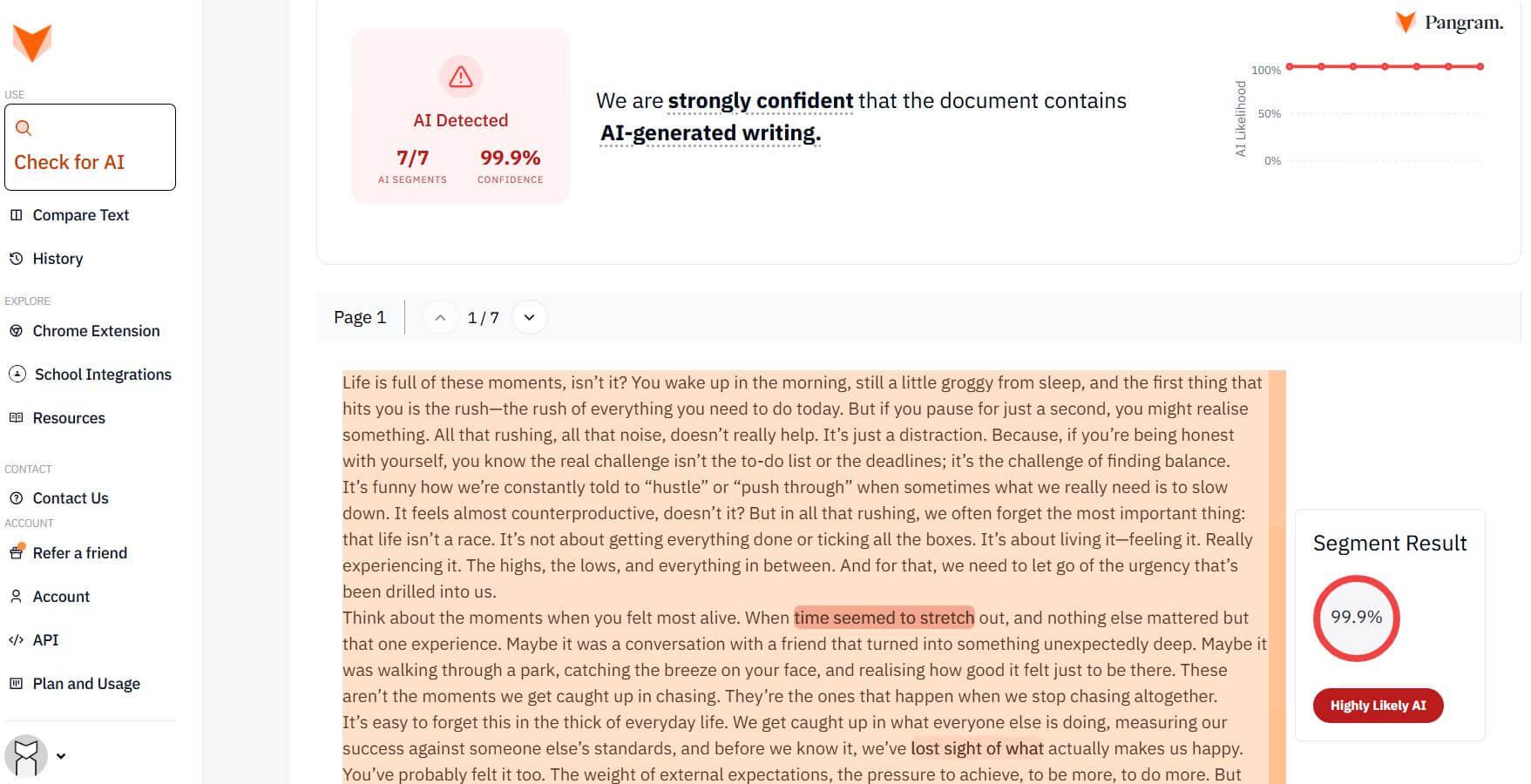
Pangram specializes in identifying potentially AI-generated and AI-assisted text. Its interpretability features aim to explain which portions of a document contributed to the detection result, making it relevant to organizations examining mixed human and machine-written material.
For an editorial team that permits AI for outlining but expects original reporting, Pangram can help identify passages worth investigating. The findings still need to be considered alongside sources, drafts, and the organization's content policy.
Why Businesses Consider It
● AI-assistance analysis: Evaluates text that may contain a mixture of human and AI-generated writing rather than treating every document as entirely human or machine-written.
● Interpretability features: Provides information about influential passages, helping editors understand what led to a particular classification.
● Multilingual screening: Supports more than 20 languages, giving businesses a way to review material written by contributors in different markets.
● Document and image handling: Includes file uploads, OCR for scanned text, and limited AI image detection, even within its free offering.
● Workflow integrations: Offers a browser extension and Google Docs support, while higher subscriptions expand scanning capacity and automation options.
The Business Fit
Pangram is suited to editorial teams that need to discuss the extent of suspected AI involvement in a document. Its explanation-oriented approach can make reviews more focused, particularly when a submission contains substantial editing or a mixture of writing styles.
Its Individual plan includes a monthly allowance of 300,000 words, potentially sufficient for smaller publishing teams with consistent review volumes.
What to Consider Before Choosing
The free allowance is restricted to 2,000 words per day, while plagiarism checks and larger word allowances require paid subscriptions. Pangram's interpretation of AI-assisted passages is still a probabilistic assessment, not a verified record of how the author produced the document.
Pricing: A free plan offers 2,000 words daily. Paid plans start at $20/month.
Recommended for: Publishers, research teams, and businesses investigating potentially AI-assisted documents.
6. Smodin : Detection Alongside Writing Assistance
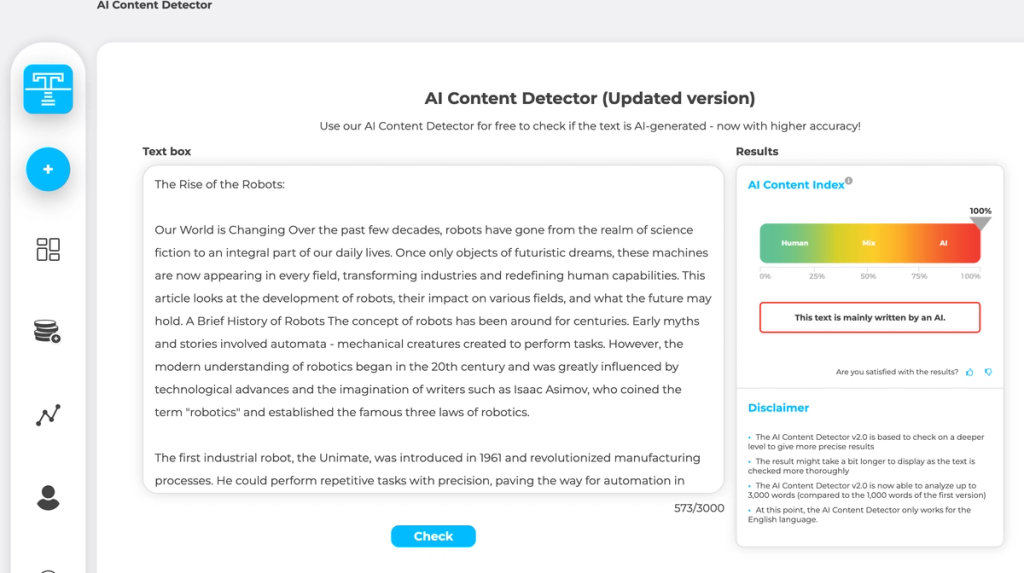
Smodin combines an AI content detector with plagiarism checking, rewriting, translation, and other writing utilities. Its broader feature set makes it appealing to smaller businesses that need several text-related tools but do not want separate subscriptions for every task.
A content agency preparing multilingual articles can use Smodin to review submitted text, check source overlap, and make editorial revisions within the same ecosystem.
Why Businesses Consider It
● AI content detection: Analyzes submitted writing for potential AI-generated material, with standard and advanced capabilities assigned to different subscriptions.
● Plagiarism screening: Checks documents against available web and academic sources, helping editors identify possible duplication independently of AI detection.
● Rewriting and editing: Provides text rewriting and writing assistance features for improving drafts, although these do not independently establish originality.
● Multilingual utilities: Includes translation and language tools, which may help smaller teams preparing international content.
● Expanded Premium features: Offers advanced detection, additional writing capacity, and browser-based workflow options for more demanding users.
The Business Fit
Smodin makes sense when AI detection is one part of a wider writing workflow. Freelance teams and smaller agencies may find its combination of tools more economical than purchasing a dedicated detector, separate rewriter, and plagiarism service.
The main advantage is convenience rather than specialized enterprise oversight. Organizations that primarily need document auditing and detailed compliance records may find a dedicated detection platform more appropriate.
What to Consider Before Choosing
The Starter plan includes standard detection, while Premium offers more advanced capabilities. Smodin's published plan comparison does not clearly quantify every writing allowance, so businesses should confirm their expected usage before subscribing. Its humanization features should also be treated as editing tools, not evidence that a rewritten document is genuinely human-authored.
Pricing: Limited free access is available. Paid plans start at $12.99/month, or $10/month with annual billing.
Recommended for: Small content agencies, marketing teams, and businesses needing AI detection alongside writing utilities.
7. Scribbr : A Free Option for Occasional Checks
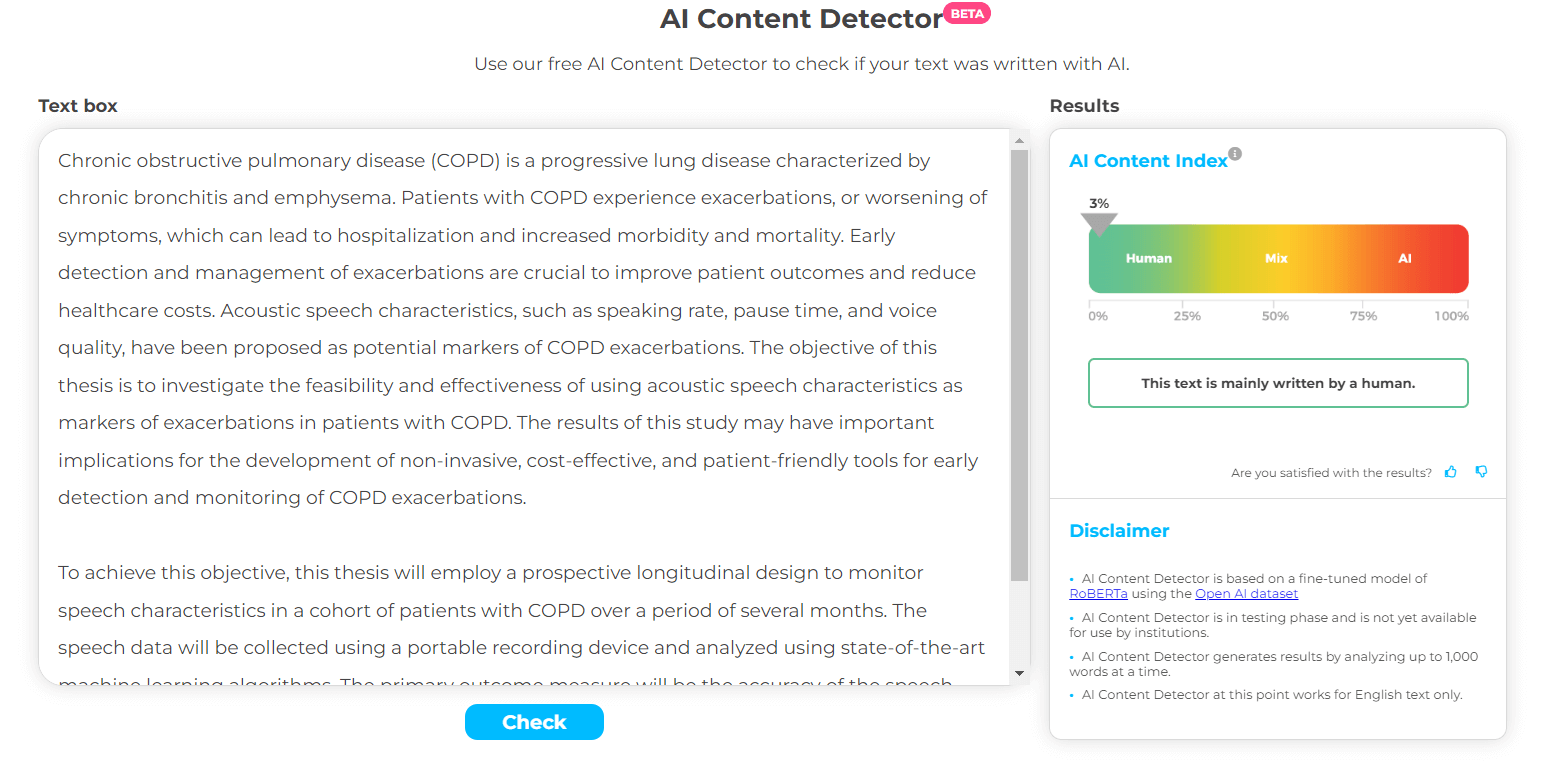
Scribbr provides a straightforward AI content detector that does not require account registration. Although primarily associated with academic writing, it can also serve freelancers, consultants, and small businesses reviewing short documents.
A consultant checking a 900-word proposal or a small publisher reviewing a short guest contribution can use Scribbr without purchasing scan credits. Its simplicity is useful when content checking is occasional rather than a daily team operation.
Why Businesses Consider It
● Unlimited free checks: Allows users to run repeated scans without a paid subscription, making it accessible for individual reviews.
● AI-refined writing analysis: Attempts to distinguish human-written, AI-generated, and AI-edited material, providing more than a simple yes-or-no classification.
● No account requirement: Users can begin checking text immediately without managing credentials or creating an organizational workspace.
● Defined submission allowance: Supports up to 1,200 words per scan, suitable for shorter business communications and editorial drafts.
The Business Fit
Scribbr is an affordable starting point for professionals who need basic content screening but do not process enough material to justify a recurring subscription. Small businesses can examine occasional proposals, articles, or training material without committing to an enterprise product.
Its usefulness declines as document volume increases. Repeatedly dividing long reports into separate submissions introduces manual work and can make it harder to interpret the document as a whole.
What to Consider Before Choosing
The 1,200-word limit per submission is the most significant operational restriction. Scribbr does not provide the same website-wide scanning, API integration, or centralized team administration found in specialized business platforms. Its free detector is therefore better used for preliminary checks than as the foundation of a large editorial operation.
Pricing: The AI detector is free, with unlimited checks of up to 1,200 words per submission. No paid detector plan is required.
Recommended for: Freelancers, consultants, and small businesses checking occasional short documents.
8. BrandWell AI Detector : A Content Marketing Perspective

BrandWell is known for content marketing and SEO-oriented software. Its AI detection tools are particularly relevant to marketers interested in reviewing published website content rather than only examining individual documents.
The company offers free detection utilities, including a company-focused checker designed to crawl recent blog posts and report suspected AI-generated writing. Its wider platform concentrates on content creation, optimization, and marketing operations.
Why Businesses Consider It
● Company website screening: The free Company AI Detector is designed to discover and assess recent blog posts from a submitted domain, reducing manual URL collection.
● Article-level reporting: Produces content classification results for individual posts, allowing marketers to identify pages that may deserve additional editorial attention.
● Free text and image tools: BrandWell advertises separate utilities for evaluating potentially AI-generated text and images.
● Content workflow context: Its broader software includes editorial and SEO-related capabilities that may appeal to teams already using BrandWell products.
● Passage highlighting: BrandWell's AI Detector Pro documentation describes color-coded highlighting that differentiates varying levels of suspected AI involvement.
The Business Fit
BrandWell is particularly interesting for content marketers managing established blogs. Instead of only checking submissions before publication, the company-focused detector offers an approach to reviewing material already published on a business website.
That is useful when an organization inherits a large article library or commissions material from several external agencies. A domain-based scan can identify candidates for closer editorial examination, although the results should not be treated as a reliable measure of overall content quality.
What to Consider Before Choosing
BrandWell has changed its product lineup and detector destinations, so older articles about its free detector or paid Detector Pro features may no longer reflect the current offering. The former detector destination has also been associated with Moxby. Businesses should verify the exact service, scan allowance, and available paid capabilities before relying on it for regular auditing.
Pricing: Free detection utilities are advertised. A current standalone paid detector starting price is not publicly confirmed; broader BrandWell products are priced separately.
Recommended for: Content marketers, SEO professionals, and businesses reviewing existing website articles.
How to Choose the Right AI Detector for Business
Selecting a detector should begin with the type of content being reviewed and the decisions the organization needs to make afterward. An agency screening freelance articles, for example, needs a different workflow from a company investigating research documents or monitoring a large blog.
| Business Requirement | Tools Worth Considering |
| Regular publishing and SEO reviews | Originality.ai, BrandWell |
| Multilingual enterprise content | Copyleaks, Pangram |
| Investigating individual documents | GPTZero, Pangram |
| Text and image authenticity checks | Winston AI |
| Detection and writing assistance | Smodin |
| Occasional checks without a subscription | Scribbr |
Beyond the product's features, businesses should examine three practical considerations:
● Review volume and operating costs: Calculate the number of words, documents, or website pages requiring checks each month. Compare the actual scanning allowance rather than selecting a subscription solely by its advertised starting price.
● Quality of review evidence: Look for passage highlighting, supporting reports, plagiarism checks, or writing-history tools that help editors investigate flagged content. An unexplained percentage provides limited value when reviewers must defend their decisions.
● Confidentiality and workflow compatibility: Confirm how uploaded documents are handled, whether sensitive files are retained, and which integrations are available. Teams reviewing internal reports or customer material should establish data-handling requirements before uploading content.
Businesses should also test detectors with their own material before adopting them. A small evaluation set containing known human-written, AI-generated, and substantially edited documents can reveal misleading classifications that a vendor's promotional accuracy figure may not capture.
The Conclusion
Originality.ai is a strong candidate for publishing teams that want detection, plagiarism checking, and website auditing within one workflow. Copyleaks is better suited to multilingual and enterprise operations, while GPTZero and Pangram provide useful tools for investigating individual documents.
Winston AI offers additional value for businesses handling scanned documents and visual material. Smodin appeals to teams that also need writing utilities, while Scribbr provides a straightforward free option for occasional checks. BrandWell is worth exploring for its website-oriented screening approach, although its changing product lineup requires closer verification.
The best AI detector is not necessarily the one reporting the highest accuracy. Businesses gain more from software that produces understandable findings, fits their publishing volume, and supports careful editorial decisions. Detection scores can identify content worth reviewing, but they cannot independently establish authorship, originality, or the quality of the finished work.


Comments