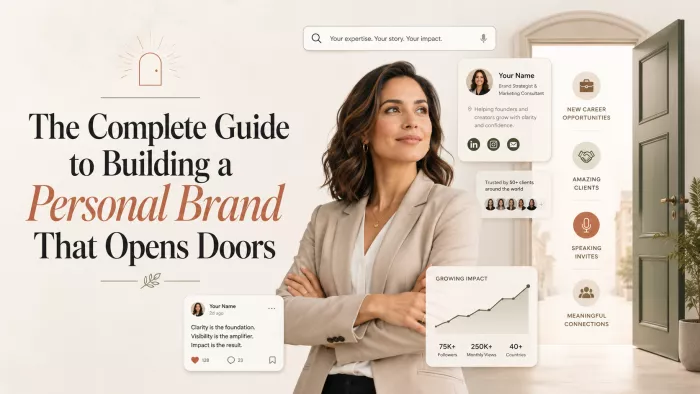
The Complete Guide to Building a Personal Brand That Opens Doors



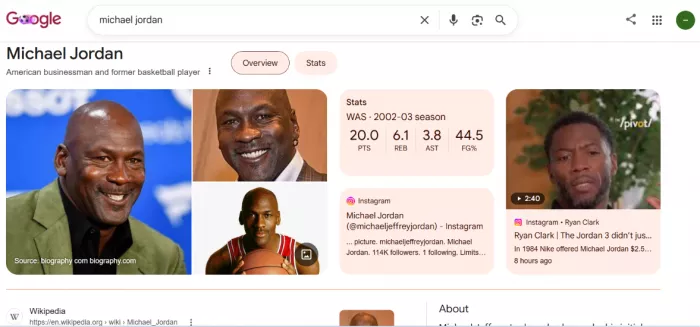
Two years ago I typed my own name into Google. Page one showed a dead social media account and a stranger who shared my name. Nothing about my work. Nothing about what I could do.
That search stung, because I knew what it meant. People were looking me up before every interview, every client call, every pitch, and every partnership conversation. They found nothing useful, so they moved on to someone they could verify.
Here is how it plays out for most of us. Someone hears your name. They Google you. They open your LinkedIn. They scan your Instagram or your portfolio. Before you have spoken a single word, an opinion already exists.
That opinion is your personal brand.
The encouraging part: you can shape it. Personal branding carries a bad reputation because people confuse it with self-promotion or with performing a fake persona online. The real work is slower and more honest. It means making your skills and your results easy to find and easy to trust.
This guide is the process I follow, laid out in order: what a personal brand is, why it decides which doors open for you, eight practical steps to build one, and the mistakes that quietly undo the effort. Tools come near the end, and I will point out where each one fits along the way.
What Is Personal Branding?
A personal brand is the impression people form from everything about you that they can find: your profiles, your content, your work samples, and your name in other people's posts. It exists whether you manage it or not. The only choice you get is whether it is accurate.
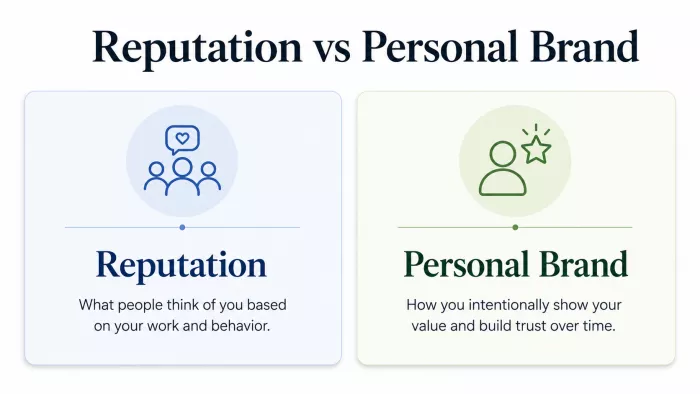
A distinction that clears up most of the confusion: reputation is what people say after they have worked with you, while a personal brand is what people expect before they ever meet you. The two feed each other. This guide focuses on the second, because the second is the one you can design.
Think of the people you already follow for one specific thing. The designer known for honest portfolio teardowns. The career coach whose salary negotiation scripts get shared every hiring season. Neither is a celebrity, yet both are memorable inside a niche, and memorable inside a niche is the whole game.
Two Myths Worth Clearing Up
Myth one: personal branding means becoming an influencer. A developer with a tidy GitHub profile and four thoughtful blog posts has a personal brand. So does a wedding photographer whose page answers every question a nervous couple would ask. Audience size is a bonus, never the definition.
Myth two: personal branding is the same as marketing. Marketing promotes an offer. A personal brand builds trust in a person, and that trust compounds in ways a paid ad cannot.
Hold on to those two distinctions, because every step below builds on them.
Why a Personal Brand Matters More Than Ever
Every door worth walking through has a gatekeeper, and the gatekeeper now does homework online before saying yes.
- Recruiters screen before they shortlist. A CareerBuilder survey found that 70 percent of employers research candidates on social media, and more than half have rejected a candidate because of what they found.
- Clients compare before they reply. When five freelancers pitch the same project, the one whose portfolio removes doubt gets the call.
- Brands vet creators before collaborations, and a consistent, credible presence outweighs a large but messy following.
- Investors and partners research founders long before a first meeting gets booked.
The pattern across all four: the decision starts online, before any conversation happens. Nielsen's long-running consumer research keeps confirming that people trust individuals far more than they trust companies, which is why a visible person beats an invisible one with identical skills.
So what do you gain when those search results start working in your favor? That is the next section.
The Benefits of a Strong Personal Brand
Here is what changes once your brand starts working while you sleep:
| Benefit | What it looks like in practice |
|---|---|
| Career opportunities | Recruiters message you first, often about roles that never get advertised |
| More clients | Inbound inquiries arrive already convinced by your public work |
| Higher income | Visible expertise supports higher rates and stronger salary negotiations |
| Speaking invitations | Event organizers discover you through your content and your quotes |
| Media features | Journalists cite people they can verify within two minutes |
| Warmer networking | Strangers open conversations by referencing something you published |
| Compounding trust | Every post and project adds to a public record that keeps selling for you |
One sentence ties the table together: a personal brand turns strangers into people who arrive pre-sold.
Now we build yours. The eight steps below are sequential, and each one feeds the next, so work through them in order.
Step 1: Decide What You Want to Be Known For
Every strong brand answers a single question: when your name comes up, what should come to mind?
Trying to be known for everything is the fastest route to being remembered for nothing.
So narrow it down. I run every idea through four filters:
- Skills: what can you do at a level people would pay for?
- Proof: what have you already done that backs the claim up?
- Energy: which topic could you discuss for an hour without checking the clock?
- Audience: who, specifically, needs this?
Where the four overlap, you have your positioning. Compress it into one sentence with this template:
I help ____ achieve ____ by ____.
Two worked examples: “I help early-stage founders ship their first product by designing lean MVPs.” “I help neighborhood restaurants fill weekday tables through local content.”
Write yours down and keep it visible. Every decision in the next seven steps, including your bio and your content topics, gets tested against this sentence.
Step 2: Define Your Brand Identity
Step 1 gave you a direction. This step turns that direction into an identity people recognize at a glance.
Write short answers for these six elements:
- Mission: the change you want to create for the audience you named in Step 1.
- Values: a handful of principles you will not trade away, even for reach.
- Voice: how you sound. Teacher or provocateur? Playful or precise?
- Visual identity: two fonts, a small color palette, one strong photo of your face, and a simple logo if you want one.
- Personality: the human details that make you memorable, like replying to every comment or sharing failures next to wins.
- Content pillars: three or four topics you return to again and again, so people know what to expect from you.
The photo deserves its own note because it works everywhere at once. LinkedIn's own data shows that profiles with a photo receive up to 21 times more views and 9 times more connection requests than profiles without one. A clear, friendly headshot is the cheapest brand upgrade available.
Direction and identity are set. The obvious next question is where to display them, which brings us to Step 3.
Step 3: Optimize Your Online Presence
You do not need every platform. You need the two or three where your audience already spends time, polished until landing on your profile feels like meeting you on your best day.
Pick Your Platforms
| Platform | Strongest for | First fix to make |
|---|---|---|
| Professionals, job seekers, B2B sellers, consultants | Rewrite your headline using the Step 1 positioning sentence | |
| Visual creators and local businesses | Turn the bio into one clear promise plus a link | |
| X (Twitter) | Writers, developers, analysts, commentators | Pin your single best thread or result |
| GitHub | Developers | Clean READMEs on your top four repositories |
| Behance / Dribbble | Designers | Upload full case studies rather than final images alone |
| Personal website | Everyone | One page covering your story, work samples, contact details, and proof |
Four Rules for Every Profile
- Use the same username everywhere, or the closest available match.
- Use the same photo everywhere, so people recognize you across platforms.
- State who you help and how in the first line of every bio.
- Make your contact details findable within ten seconds.
One Link Instead of Five
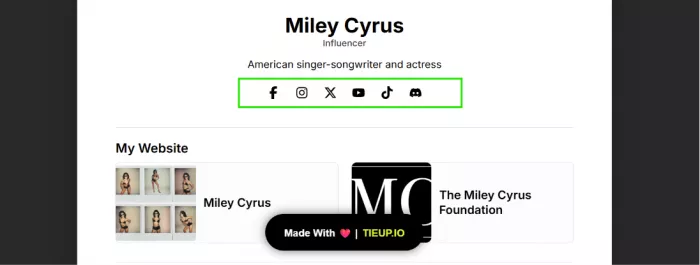
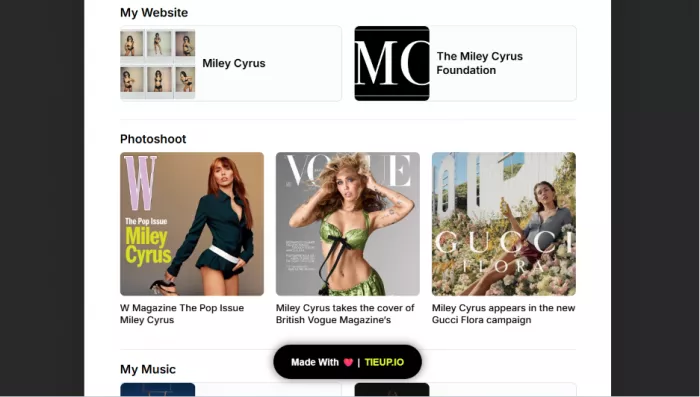
One practical problem remains. Your presence now lives in four or five separate places, and interested people rarely visit them all. A link in bio page fixes this by gathering everything behind a single URL. I built mine on TIEUP.IO, where my links, portfolio pieces, contact form, and social profiles sit on one page; Linktree and Carrd are worthwhile alternatives if you want to compare. Whichever you pick, one link that shows the full picture beats five links that each show a fragment.
Profiles are ready. Now they need a reason for people to keep coming back, and that reason is the subject of Step 4.
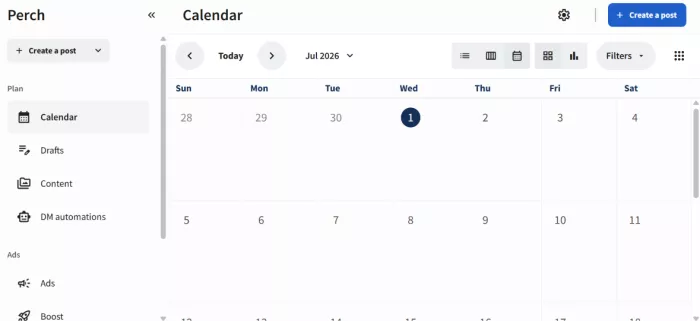
Step 4: Create Content That Builds Authority
Profiles prove you exist. Content proves you think.
Daily posting is optional. A repeatable format matched to your strengths is mandatory:
- If you write: blog posts, LinkedIn posts, long threads, a newsletter.
- If you talk: podcasts, short video, webinars, live audio.
- If you build: case studies, tutorials, teardowns, behind-the-scenes breakdowns.
- If you analyze: data breakdowns, industry recaps, prediction reviews, annotated examples.
Whatever the format, the substance comes from four wells: what you know, what you learned the hard way, what went wrong, and what worked. Posts about mistakes regularly outperform polished advice, because a mistake is hard to fake.
My starter rhythm: one flagship piece each week, then cut it into three or four smaller posts for social platforms. Visible without burnout.
End every piece with a question. The replies you collect become the raw material for Step 6.
Step 5: Showcase Your Work
Content earns attention. Proof converts it.
Anyone can claim to be good. The people who win the doors we listed earlier are the ones who show evidence:
- Case studies structured as problem, process, result, and one number that matters.
- Testimonials attached to a real name and a real face.
- Before-and-after examples.
- Certifications and awards, listed plainly.
- Measurable outcomes, like signups up 41 percent in two months.
Build a small habit around evidence. Each time a project ends, capture a screenshot, a metric, a client quote, and a one-line note on what you would repeat. Twelve months of that habit produces a portfolio that assembles itself.
Where should the proof live? On your website or portfolio page, mirrored on the hub you set up in Step 3, so a single link carries your strongest evidence into every conversation.
Step 6: Build Relationships Before You Need Them
Here is the part most guides undersell: a personal brand spreads through people, and people remember who showed up before the ask.
My weekly relationship routine takes under an hour:
- Leave four substantive comments on posts from people in your field. A substantive comment adds an example or a counterpoint; a plain compliment does not qualify.
- Answer two questions inside a community you belong to, on Discord, Slack, Reddit, or a professional forum.
- Send one message with no request attached: share a resource, congratulate a launch, offer feedback, or make an introduction.
- Pick one new person worth learning from, and follow their work for a week before reaching out.
Conferences and meetups multiply all of this, and they work better once your online presence exists, because the people you meet will look you up afterward. As we covered in Step 3, what they find should confirm the impression you made in person.
Give first; the doors this opens rarely announce themselves in advance.
Step 7: Stay Consistent
Every step so far fails without this one.
Consistency compounds in a way that is invisible week to week and unmistakable after a year. It applies in four places:
- Schedule: pick a rhythm you can hold on your worst week, then hold it. Weekly forever beats daily for a month.
- Visuals: the identity you set in Step 2, applied everywhere without exception.
- Message: your Step 1 positioning sentence should be recognizable inside everything you publish.
- Themes: stay inside your content pillars. Drift confuses the audience you worked hardest to attract.
A personal admission: motivation never kept me consistent. A Sunday checklist did. Planning the week's single flagship piece in advance removes fifty small decisions later.
Step 8: Measure, Adjust, Repeat
You cannot improve a brand you never measure, so once a month I run a thirty-minute review:
- Search your own name in an incognito window. This repeats the exercise from the introduction, and the goal is to watch your results gradually replace the noise.
- Set up Google Alerts at google.com/alerts so new mentions of your name land in your inbox automatically.
- Open your profile analytics. LinkedIn shows profile views and search appearances on the free plan.
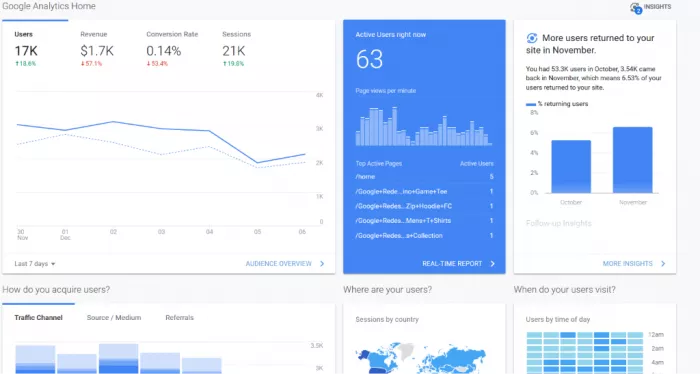
- Review website traffic in Google Analytics and note which pages hold attention the longest.
- Separate inputs from outcomes. Posts published and comments left are inputs; interview requests, inbound leads, invitations, and mentions are outcomes.
When one content pillar keeps outperforming, feed it more. When one never lands, replace it. The brand you end up with will be sharper than the brand you planned, and that is the entire point of measuring.
Nine Mistakes That Quietly Undo the Work
I made at least half of these myself, so treat this section as a shortcut:
- Trying to appeal to everyone. A brand for everyone is a brand for no one; revisit Step 1.
- Copying an influencer's persona. Borrowed voices crack under real questions.
- Posting in bursts, then vanishing for months. Step 7 exists for a reason.
- Ignoring search. If your name and your niche never appear together in bios and headlines, Google cannot connect them.
- Publishing claims without proof. As Step 5 showed, evidence does the converting.
- Using a blurry or outdated profile photo, or no photo at all.
- Writing a bio full of adjectives instead of outcomes.
- Hiding contact details. Interested people give up faster than you expect.
- Letting links sprawl across five disconnected profiles instead of one organized hub.
Each mistake maps back to a step in this guide, which is the quiet argument for following the steps in order instead of cherry-picking.
The Tools I Use, and What Each One Does
None of these are mandatory, and free tiers cover everything described in this guide:
| Tool | Where it fits |
|---|---|
| The professional profile recruiters and clients check first (Step 3) | |
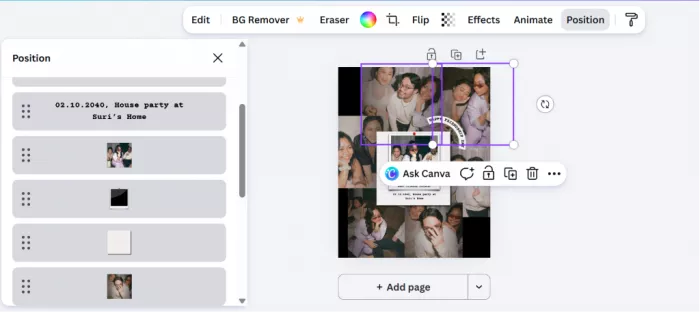
| Canva | Templates, headers, thumbnails, and simple graphics on the free plan (Step 2) |
| Notion | Content calendar, idea backlog, drafts, and the Step 1 positioning worksheet |
| Google Analytics | Website traffic numbers for the monthly review (Step 8) |
| Calendly | A booking link, so opportunities never die inside scheduling email threads |
| TIEUP.IO | The link in bio and portfolio hub from Step 3; Linktree and Carrd sit in the same category |
Pick one tool per job and stop there. The brand gets built by the weekly repetitions in Steps 4 and 6; tools only lower the friction.
Conclusion: Start Tonight
Personal branding is not about becoming famous. It is about becoming memorable to the specific people whose doors you want to walk through.
You do not need all eight steps this month. Tonight, do two things: write your positioning sentence from Step 1, then search your name the way a stranger would. The gap between those two results is your to-do list.
The next time someone hears your name and reaches for Google, let them find a door already open.


Comments