Smart Links for Music Marketing: How to Turn Every Click Into a Fan Journey

Christine Davis
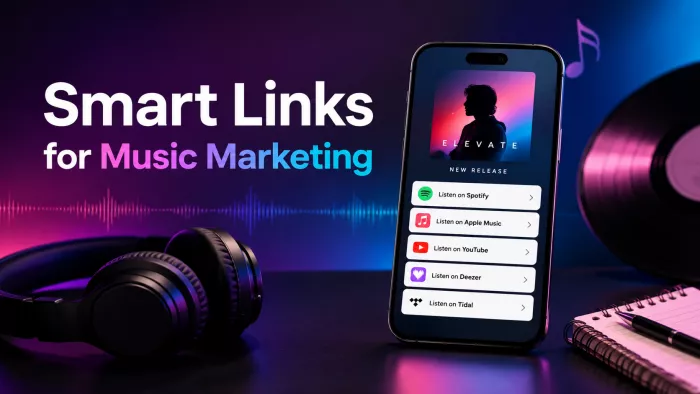
A music release rarely lives in one place. The same track may appear on Spotify, Apple Music, YouTube Music, Amazon Music, Deezer and Bandcamp, while the campaign also points people toward a pre-save page, a video, tickets or merchandise. Sending a separate link for every destination creates friction and makes the campaign difficult to measure.
A smart link gives the release one entry point. Its real value is not convenience alone. It shapes what happens after a listener clicks, shows where interest comes from and helps the artist adjust the campaign before attention fades.
One Release, Too Many Destinations
Music discovery may begin on TikTok, Instagram Reels, YouTube Shorts, email, a playlist or a creator post. The listener then has to move from that discovery platform to the service where they consume music.
A direct Spotify link looks efficient, but it assumes every interested listener uses Spotify. Someone who prefers Apple Music may abandon the journey rather than search manually. A general artist website avoids that problem, but it often adds navigation before the visitor reaches the release.
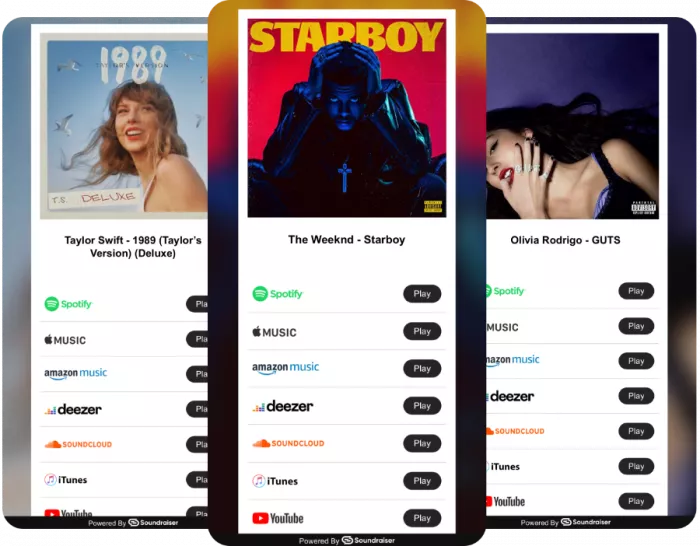
A smart link sits between discovery and consumption. It gives the listener a focused page containing the relevant destinations for one release. The artist can use the same URL across social posts, ads, emails, QR codes and press coverage without forcing every visitor into one platform.
A link-in-bio page and a music smart link do not serve the same purpose. A bio page is usually a directory containing music, tour dates, merchandise, social profiles and other material. A smart link should be narrower. It should help the visitor complete one clear action with little hesitation.
| Link type | Main use | Common weakness |
| Direct streaming link | Sends listeners to one platform immediately | Excludes people who prefer another service |
| Artist website | Provides full control over branding and content | Adds navigation before the music |
| Link-in-bio page | Collects many artist destinations | Often lacks focus for one release |
| Music smart link | Routes one campaign to selected destinations | Requires setup, testing and maintenance |
The best smart link is not the one with the most buttons. It is the one that reduces the distance between curiosity and action.
What Happens After the Click
Campaign reporting often focuses on reach, impressions and clicks. Those numbers describe attention, but they do not explain whether the listener moved closer to the music.
The journey begins with discovery. Someone sees a performance clip, lyric video, recommendation, advertisement or artist post. The content earns a click, but it has not yet earned a stream, save, follow or purchase.
The smart-link page becomes the decision point. It must confirm that the visitor reached the correct release, present suitable platform choices and avoid unrelated distractions. A slow page, unfamiliar artwork or too many equal-sized buttons can weaken the intent that brought the person there.
A strong page answers three questions immediately: which release is this, where can I listen and what should I do next? The answer should be visible without scrolling on a typical phone.
The listener then chooses a destination. Depending on the campaign, that may be Spotify, the official video, a pre-save form, tickets or a mailing list. The smart-link platform can usually record which option was selected and may also capture traffic source, country, device or campaign tag.
The artist should then compare where traffic came from and which sources produced useful action. Instagram may generate many visits but few platform clicks, while a smaller email campaign may send fewer people who are much more likely to listen.
What the Page Needs
A smart-link page works best when every element supports the same release. The design can be simple, but it should be deliberate.
1. Release Identity
The artwork, artist name and release title should be unmistakable. The visual identity should also match the content that generated the click.
If an Instagram ad uses the official blue-toned cover but the landing page displays an older promotional image, the experience feels disconnected. The visitor may pause to check whether they clicked the correct link, adding friction at the moment the campaign needs confidence.
The release status should also be clear. Before launch, the page may display the date and a pre-save button. After launch, listening options should replace that wording. An outdated page can make available music look delayed.
2. Platform Order
Spotify is often placed first by default, but the order should reflect the audience, campaign objective and region.
An artist with a strong YouTube audience may lead with the official video. A band selling vinyl may place Bandcamp or its own store above streaming services. A campaign aimed at a country where another service is widely used should reflect that behaviour rather than copy a global template.
The first visible action should match the most likely intent of the visitor. Some smart-link tools allow country-based or device-based routing, while others require separate pages for different audiences.
3. Call to Action
Button labels should state exactly what happens next. “Listen on Spotify,” “Watch the official video,” “Pre-save the album” and “Buy tickets” are stronger than “Explore” or “Click here.”
The page should have one dominant objective and a small number of supporting actions. A release page may lead with streaming options and place the video underneath. It should not also promote an unrelated interview, old merchandise and every social account.
4. Mobile Performance
Music discovery often happens on phones, so the mobile version should be treated as the primary page. Buttons need enough spacing for touch, artwork should load quickly and destinations should open in the correct app.
Deep links do not behave the same way on every device. A Spotify button may open the app on one phone and a browser login page on another. YouTube links can remain trapped inside an in-app browser. These details affect whether a click becomes a listen.
Use Smart Links by Stage
A smart link should change as the release moves from announcement to long-term promotion. Keeping one URL is useful, but keeping one version of the page for months is not.
1. Before Release
The pre-release page cannot send the visitor to a live track, so it needs to capture intent before interest disappears.
A pre-save button is useful, but it should not be the entire campaign. The page may also include an email reminder, teaser clip or follow option. The strongest choice depends on what the artist can use after release.
Pre-save numbers also need context. A pre-save shows that someone completed an action before launch, but it does not confirm that they later listened, saved the track or returned. Artists should compare pre-saves with first-week streams, saves, playlist additions and repeat engagement.
Campaign tags should be created before the first link is shared. Instagram Stories, TikTok, email, paid ads and creator partnerships should use identifiable versions of the same smart link. Without those tags, the artist may know the page received traffic but not which promotion caused it.
2. Release Day
The same campaign URL should ideally update when the music goes live. This preserves links already shared in old posts, press coverage, QR codes and scheduled content.
The pre-save message should be replaced with direct listening options. The page should confirm that the release is available, prioritise the strongest destinations and remove expired countdowns.
This change needs to happen before promotional posts begin sending traffic. Someone who clicks at 9am and sees a pre-save page for music already available may assume the release has been delayed.
Every destination should be tested on Android and iOS. The team should also check regional availability, especially when platform delivery varies by country.
3. First Release Week
The first week is where smart-link data becomes useful. The goal is not to watch the total visit count rise, but to identify which sources produce meaningful action.
Instagram may create the most visits but a modest outbound click rate. Email may produce fewer visits but stronger platform selection. TikTok may perform well in one country, while paid ads create traffic that leaves without choosing a service.
Those differences should affect the next decision. If email converts well, the artist may send a follow-up featuring the official video. If one region responds strongly, the team may create localised content, test a small ad campaign or contact relevant creators.
The smart link can also reveal platform preference. Strong YouTube Music activity may show that video-led promotion is attracting listeners who already use YouTube. Bandcamp clicks may identify a smaller audience willing to support the artist directly.
4. Long-Term Promotion
After the release window, the page should evolve again. The artist may add an acoustic version, remix, lyric video, tour date or merchandise item. The release can also become an entry point to an EP, album or artist playlist.
The primary action should remain clear. If the track gains attention six months later through a viral clip, a new listener should still be able to find the original song immediately.
A smart link that is updated becomes a durable campaign asset. One frozen at release day becomes a neglected landing page.
Metrics That Matter
Smart-link dashboards often contain more numbers than a small campaign needs. The useful metrics fall into three groups.
Traffic metrics show whether people reached the page. These include total visits, unique visitors, source, device, country and campaign tag.
Behaviour metrics show what happened on the page. Platform clicks, click-through rate, repeat visits and button preference reveal whether the page supported or interrupted the visitor’s intent.
Outcome metrics show what happened after departure. Streams, saves, follows, video views, ticket sales, email sign-ups and merchandise purchases matter more, but they may be recorded in separate systems.
| Campaign result | Likely interpretation | Useful response |
| High visits, low platform clicks | The page may be unclear, slow or overloaded | Reduce choices and strengthen the main action |
| Strong Spotify clicks, weak alternatives | The audience may genuinely favour Spotify | Adjust the order but retain other options |
| Email traffic converts well | Existing fans have higher intent | Use email more heavily in later launches |
| Paid traffic leaves quickly | The ad may be attracting curiosity rather than interest | Review targeting and the creative promise |
| One country overperforms | The release may have regional potential | Test local content, ads or creator outreach |
The key distinction is between an outbound click and a confirmed outcome. A smart-link platform may record that someone selected Spotify, but that does not prove the track played, was saved or led to a follow.
Reporting should reflect that difference. “Spotify received 2,000 outbound clicks” is more accurate than “the campaign generated 2,000 streams” unless the streaming platform confirms the latter.
What Smart Links Cannot Prove
Smart links improve attribution, but they do not remove uncertainty. A platform can usually identify where a visitor came from, which page they opened, which destination they selected and their general device or location. It may not confirm what happened after the listener entered a streaming app.
Privacy controls, cookie restrictions, in-app browsers and platform reporting limits can break the connection between the original click and the final outcome. A person may click on Instagram, open Spotify, listen later and save the track the next day. Those actions may appear as separate pieces of data.
The same issue applies to tickets and merchandise. A fan may discover the tour through a smart link, compare dates and buy later on another device. The sale is still valuable even if the original campaign receives no credit.
Smart-link data should therefore be used as directional evidence. It can show which sources attract stronger intent, which platforms listeners prefer and where the page creates friction. It cannot provide a perfect account of every fan decision.
Where Campaigns Go Wrong
Smart links are simple to create, which makes them easy to publish without a clear plan.
● The page represents the artist’s entire career instead of one campaign. When streaming buttons compete with old interviews, unrelated products and every social profile, the listener has to work out what the page is for. Keep the primary action obvious and move general discovery to the website or link-in-bio page.
● Every source uses the same untagged URL. The campaign may generate visits, but the artist cannot compare Instagram, email, paid ads or creator partnerships. Source tags should be prepared before promotion begins.
● Platform order follows habit rather than evidence. Spotify does not need to appear first for every audience. Use previous campaign data, region and content source to decide which destination deserves priority.
● The page does not match the promotional creative. Different artwork, outdated wording or the wrong title can make visitors question whether they reached the correct release.
● The page is tested only on desktop. Most listeners will open it inside a mobile browser or social app. Buttons, app-opening behaviour and load time should be tested where the audience will use them.
● The page is never updated after launch. Expired countdowns and pre-save messages make the campaign look neglected. The URL can remain the same, but the content should reflect the current release stage.
A Single-Release Workflow
Consider an independent artist releasing a single called “Midnight Signals.” Three weeks before launch, the artist creates a page with the cover artwork, release date, pre-save options and an email reminder form. Separate tagged versions are used for Instagram Stories, TikTok, the newsletter and a small paid campaign.
The promotional posts give listeners different reasons to click. One teaser focuses on the chorus, another shows the production process and a third uses the song beneath a short performance clip.
On release day, the same URL is updated. Pre-save options are replaced with Spotify, Apple Music, YouTube Music and Bandcamp. The official video appears below the main streaming buttons. Every destination is tested before scheduled posts go live.
After seven days, the page has received 4,200 visits. TikTok created the largest share of traffic, but email produced the highest outbound click rate. Instagram visitors preferred Spotify, while YouTube Music performed strongly in one region.
The artist does not chase the largest traffic number. The next email focuses on the video and asks existing fans to save the track. More short-form content is created for the strong region, and part of the paid budget is moved away from an audience that generated visits but few platform clicks.
Two weeks later, an acoustic performance is added as a secondary action. The original track remains first because it is still the campaign’s main objective. The page evolves without changing the URL or confusing people who find an older post.
This is the practical value of a smart link. It does not replace the content, audience or release strategy. It gives those parts of the campaign one measurable route.
Check Before Publishing
Before the smart link goes live, verify that:
● The page has one primary objective and no unrelated distractions.
● The artwork, release title and wording match the promotional content.
● Every destination opens correctly on Android and iOS.
● Source tags identify email, social, ads and partner traffic separately.
● The platform order reflects audience behaviour rather than defaults.
● The page loads quickly on a mobile connection.
● The provider’s commercial-use, privacy and data-retention terms are understood.
● A release-day update has already been planned.
● Someone is responsible for checking the page after launch.
● The campaign has a baseline for comparing visits, clicks and later outcomes.
Final Take
A smart link does not create demand for a song. It decides what happens after demand appears.
A weak page wastes attention by sending every listener to one platform, presenting too many choices or remaining stuck in pre-release mode after launch. A strong one keeps the campaign organised, preserves one dependable URL and provides enough evidence to improve the next decision.
For artists, labels and music marketers, the biggest benefit is not having every streaming service on one page. It is the ability to connect discovery, action and analysis without making the fan do unnecessary work. Used properly, a smart link becomes part of the release system rather than a decorative page added at the end.


Comments