Instagram Shares vs. Saves: What Matters More for Content Creators?

Ashish Kumar

A few months ago I pulled up the insights on two of my posts. One had been shared around 400 times and barely saved. The other was saved almost 600 times with hardly any shares. Same account, same week, wildly different behavior. That gap is where this whole question lives.
Shares and saves are the two metrics creators argue about the most, and for good reason. They move reach, they shape how the algorithm treats you, and they tell you very different things about your audience. Let’s settle which one actually deserves your attention, and when.
The Metric Instagram Actually Rewards
Most creators still treat likes and comments as the scoreboard. They’re easy to collect and they feel good, but they’re also the cheapest action a viewer can take. A like costs nothing and means almost nothing on its own.
Shares and saves sit in a different tier. They’re low-frequency actions, which means people do them rarely and only when something genuinely earns it. That scarcity is the whole reason the platform leans on them. When someone saves or shares, they spend a little social or mental effort, and Instagram treats that effort as proof the content delivered real value.
There’s a second reason these two win. They’re both predictive. A like tells the algorithm what already happened. A save predicts that someone will come back, and a share predicts that someone new will show up. Instagram is in the business of keeping people on the app, so signals that forecast future sessions get rewarded far more than signals that just mark a passing moment.
What Each Signal Tells the Algorithm
Here’s the cleanest way I’ve found to think about it. A share tells Instagram the content is worth spreading. A save tells it the content is worth returning to. One is about distribution, the other is about depth.
When your post gets shared, the algorithm sees content that travels well and pushes it to wider, colder audiences to test that reach. When your post gets saved, it reads a quality flag instead, something people found valuable enough to keep. Both help you, but they open different doors, and they often open them on different surfaces.
| Signal | What Instagram reads | Where it tends to help | What you get |
| Share | “Worth spreading” | Reels, Explore, friend-to-friend DMs | Wider reach, cold audiences |
| Save | “Worth keeping” | Feed ranking, Explore relevance | Credibility, stronger quality score |
One detail most creators miss: not all shares are equal. A share to a story broadcasts your post to that person’s whole following. A share through DMs is narrower but far warmer, because it lands as a personal recommendation one friend made to another. The platform can tell the difference, and the private DM share often signals the strongest intent of all.
Shares as a Reach Engine
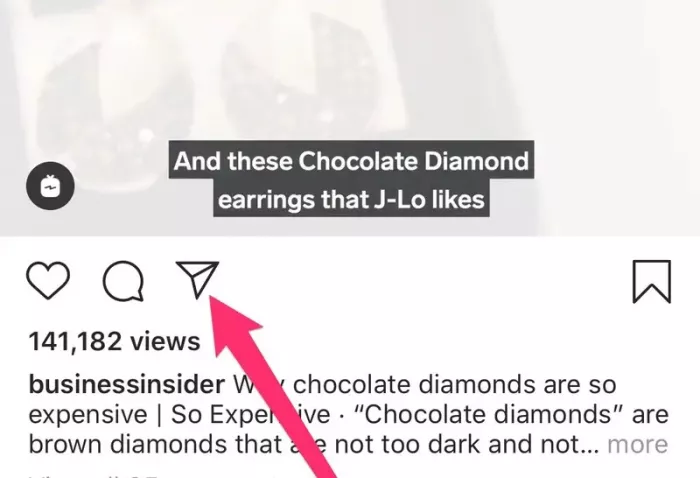
A share is the closest thing Instagram has to word of mouth. When someone sends your post to a friend or drops it on their story, they’re vouching for you with their own name attached. That borrowed trust matters because the new viewer arrives already warmed up.
This is why shares are the better lever when your goal is growth. Every share plants your content in front of people who don’t follow you yet, and it does so with a built-in endorsement. The reach compounds in a way likes never will, because one share can spark a chain where the person who received it shares it again.
Shares also move fast. They tend to spike in the first few hours after you post, and that early velocity is part of how Instagram decides whether to widen distribution. A post that gets shared quickly often gets a second life on Explore or the Reels feed.
The catch is that shares are fragile. People only forward things they’d feel comfortable being seen endorsing, which raises the bar on what you post.
Saves as a Value Signal
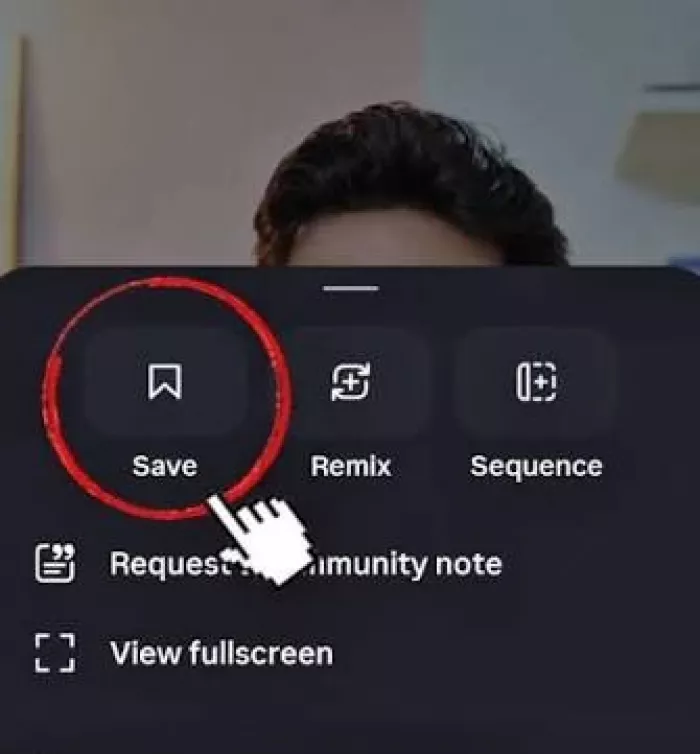
Saves work differently. A save is a quiet, private action, and that privacy is what makes it so honest. Nobody saves a post to impress anyone. They save it because they believe they’ll want it again later.
That future intent is what Instagram treats as a strong quality cue. A tutorial someone saves to try this weekend, a checklist they’ll reference next month, a list of tools they don’t want to lose. These signal that your content has shelf life, and the platform rewards content that keeps pulling people back to the app.
Unlike shares, which often spike early, saves can accumulate over time as people return to useful content. This lasting interest is particularly valuable for creators building authority or selling products. A clear Instagram bio link strategy can help turn that audience interest into website visits, subscriptions, or sales without relying entirely on immediate engagement.
The Intent Gap Between Them
This is the part most articles skip, and it’s the most useful idea here. Shares and saves come from two completely different headspaces.
A share is outward facing. The viewer is thinking about how the post reflects on them, whether it’s funny enough, smart enough, or relatable enough to put their name next to. A save is inward facing. The viewer is thinking only about themselves and whether this will be useful to them later.
Once you understand that split, your content choices get a lot clearer:
● If you want shares, you have to make the viewer look good to their own audience. The post becomes a small piece of their identity, so it needs to be expressive, funny, surprising, or emotionally sharp enough that passing it on says something about them.
● If you want saves, you have to make the post genuinely useful to one person. It needs to solve a problem, teach a step, or collect something they’d hate to lose, with enough depth that one scroll isn’t enough to absorb it.
Chasing both with the same post usually means doing neither well. The psychology pulls in opposite directions, so the smartest creators pick a primary goal per post and design around it.
Content Types That Favor Shares
Shareable content tends to trigger an emotional reaction or say something the viewer wishes they’d said themselves. It travels because forwarding it is a form of self-expression.
● Relatable moments and memes that make someone think “this is so us” and tag a friend in the comments
● Bold opinions or hot takes that people want to co-sign publicly or argue with
● Aspirational or emotional posts that hit a feeling strong enough to pass along
● Timely cultural moments and trends where sharing fast makes the viewer feel in the loop
The common thread is speed of reaction. Shareable content lands in the first second and gives the viewer an immediate reason to send it onward before they keep scrolling.
Content Types That Favor Saves
Saveable content wins on utility. It’s the stuff people know they can’t absorb in one scroll, so they tuck it away for when they actually need it.
● Step by step tutorials people intend to follow later, not just watch once
● Checklists, frameworks, and templates that work as a reference they’ll reopen
● Multi-slide carousels packed with enough value to be worth keeping
● Resource roundups like tools, recipes, workouts, or book lists they don’t want to re-find
The common thread here is density. The more a post rewards a second and third visit, the more likely someone is to save it the first time.
Matching the Metric to Your Goal
The right metric depends entirely on what stage you’re at and what you’re trying to do. There’s no universal winner, which is exactly why the “which is better” debate never ends.
| Your goal | Optimize for | Why |
| Growth and new followers | Shares | Pushes you to cold audiences with built-in trust |
| Authority and expertise | Saves | Signals depth and keeps people coming back |
| Selling or converting | Saves | Sits closer to real intent and action |
| Brand or sponsorship deals | Shares | Reach numbers are what most brands pay for |
| Community and loyalty | Both, plus comments | Blends reach with connection |
If you're new and nobody knows you exist, shares can help expand your reach. Once you have an audience, saves become more valuable for building trust and encouraging future action. However, turning that interest into results also requires understanding link-in-bio conversions, especially when directing followers toward products, services, or resources. Your niche matters too, since entertainment content often attracts shares while educational posts encourage saves.
Designing Posts for Each Outcome
You can nudge behavior on purpose. Most creators leave this to chance, but the small design choices you make decide which button people reach for.
To earn shares, write a hook that stops the scroll and give people a reason to pass it on. A direct line like “send this to someone who needs to hear it” works because you’ve handed them the excuse. Build the post around a single feeling or idea that’s easy to grasp in one glance, since anything too dense kills the impulse to forward.
To earn saves, do the opposite. Pack the post with enough value that keeping it feels smart. Dense carousels, numbered steps, and a simple “save this so you don’t lose it” prompt all push people toward the save. The trick is to tease the full value in slide one so they know it’s worth holding onto before they commit.
One quiet tactic that works for both: put your call to action where attention peaks, which is usually the first slide or the first line of the caption, not buried at the end where most people never reach.
Common Misreads of Both Metrics
A few myths get repeated so often that creators build whole strategies on them. Worth clearing up.
● “Saves always beat shares.” They don’t. A save with no reach just means a small group found you useful. If nobody new is seeing your work, saves alone won’t grow the account.
● “Chase saves and growth follows.” Saves signal quality but don’t distribute you the way shares do. You can rack up saves and still stay invisible to new people.
● “More is always better.” A post with huge saves but a low save rate relative to reach is weaker than a smaller post with a high rate. Percentages matter more than raw totals.
● “Judge a post by one number.” A single metric in isolation lies. The story is always in how the numbers sit together.
Reading Shares and Saves Together
The real insight comes from the ratio, not either number alone. Looking at them side by side tells you what kind of content you actually made, and what to make next.
● High saves, low shares means your post was useful but not spreadable. Great for authority, weak for growth.
● High shares, low saves means your post was fun or striking but shallow. Great for reach, light on lasting value.
● Low on both with decent reach usually means the content was fine to scroll past but gave no reason to act. That’s your signal to raise the stakes.
● High on both is the rare winner worth studying and repeating until it stops working.
Say a carousel pulls 500 saves and 30 shares. That’s a reference piece your audience values, but it isn’t pulling in new people. If growth is your aim, the fix isn’t more carousels, it’s adding a shareable hook or a relatable opening to that same useful content so it earns both actions at once. That blend, usefulness wrapped in something worth passing on, is how a post breaks out instead of just performing.
The Verdict
If I had to put it in one line: saves build the asset, shares build the audience. Shares grow your reach by putting you in front of strangers with a recommendation attached. Saves grow your reputation by proving your content is worth keeping. Neither wins outright because they solve different problems, and treating them as rivals is the mistake.
So pick based on where you are. Early on, chase shares and get discovered. Once people know you, chase saves and get trusted. And when you can, build the occasional post that earns both, because those are the ones that grow the account and deepen it in the same move. The creators who win long term stop asking which matters more and start matching the metric to the moment.


Comments